A burst pipe can release several gallons of water a minute, and along the Front Range the most common cause is a hard freeze that expands water inside an unprotected line. What you do in the first few minutes decides whether you are drying a small area or replacing drywall and flooring.
Here is a clear, calm sequence to follow the moment you discover a burst pipe, plus how to keep yourself safe until a licensed plumber reaches you.
Shut off the main water supply
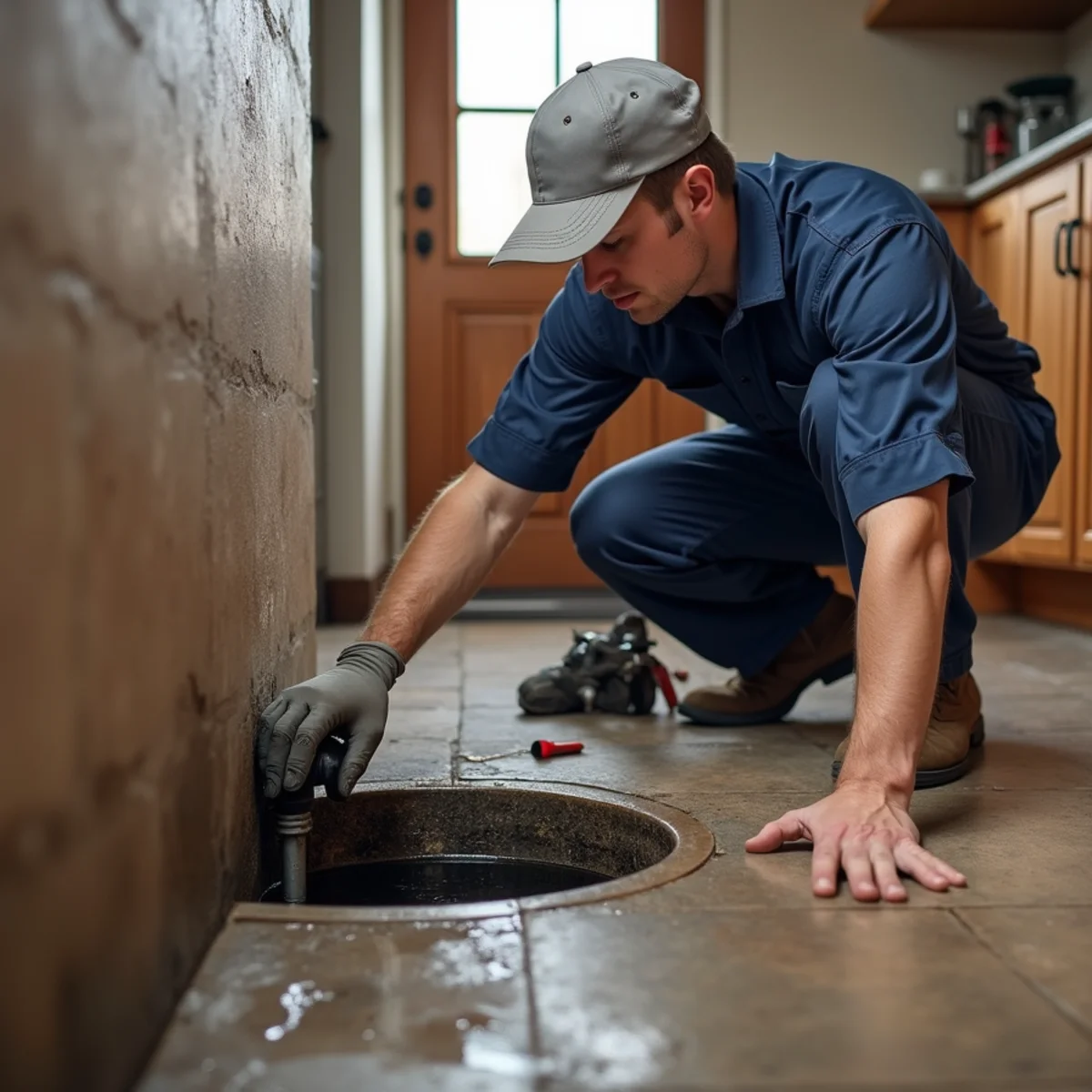
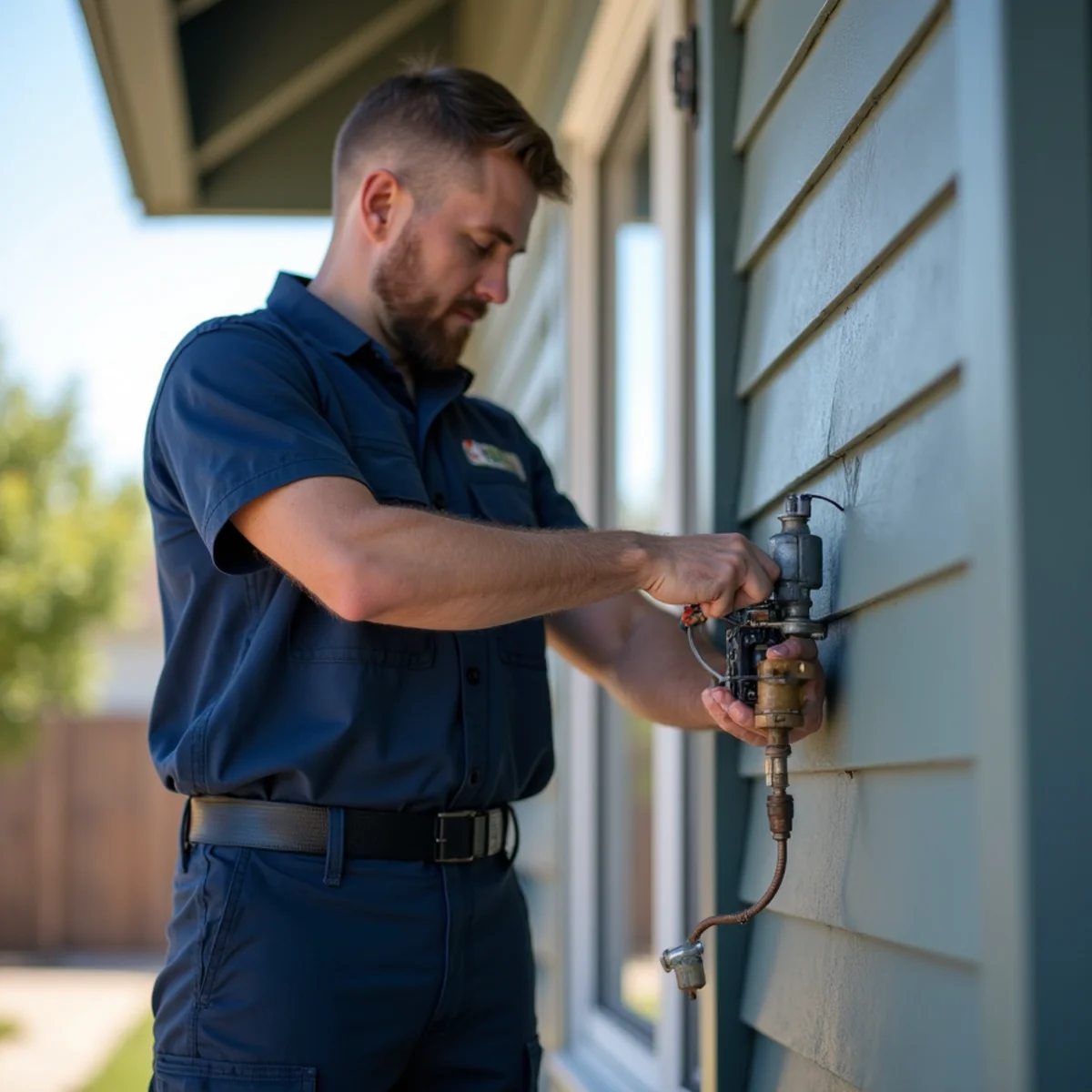
Your single most important action is stopping the water. Do not waste time trying to find the exact break first. Head straight for the main shutoff valve, which is usually where the water line enters the house, often near the water heater, in a basement, a crawl space, or a utility closet.
Turn the valve fully clockwise. If it is a lever, rotate it a quarter turn until it is perpendicular to the pipe. Every adult in the household should know this location before a winter emergency ever happens.
Cut power if water is near electrical
Water and electricity are a dangerous combination. If the leak is spraying near outlets, light fixtures, or your electrical panel, or if water is pooling on a floor with electrical connections, shut off power to that area at the breaker box before you step into the water.
If you cannot reach the panel without walking through standing water near live electrical equipment, stay out and call for help. No amount of saved flooring is worth a shock.
Open faucets and drain the system
After the main is off, open the cold faucets throughout the house, starting with the lowest one such as a basement sink or an outdoor spigot. This relieves pressure in the pipes and drains the water still trapped in the lines, which reduces how much escapes from the break.
Flush toilets a couple of times to clear the tanks. If the burst was freeze-related, leaving faucets cracked open also gives any remaining ice a place to expand as it thaws instead of stressing another section of pipe.
Contain and document the damage
With the flow stopped, focus on limiting damage and protecting your interests. Move furniture, electronics, and valuables away from the wet area, and lift anything left on a wet floor onto blocks or foil.
Before you clean everything up, take photos and video of the burst, the water, and the affected belongings. Insurance adjusters rely on this documentation, and sudden accidental pipe bursts are among the most commonly covered water-damage events.
- Place buckets and towels under active drips.
- Pull up rugs and move cardboard boxes off wet floors.
- Photograph everything before removal, including the pipe itself.
- Start air moving with fans once the power is confirmed safe.
Apply a temporary stopgap
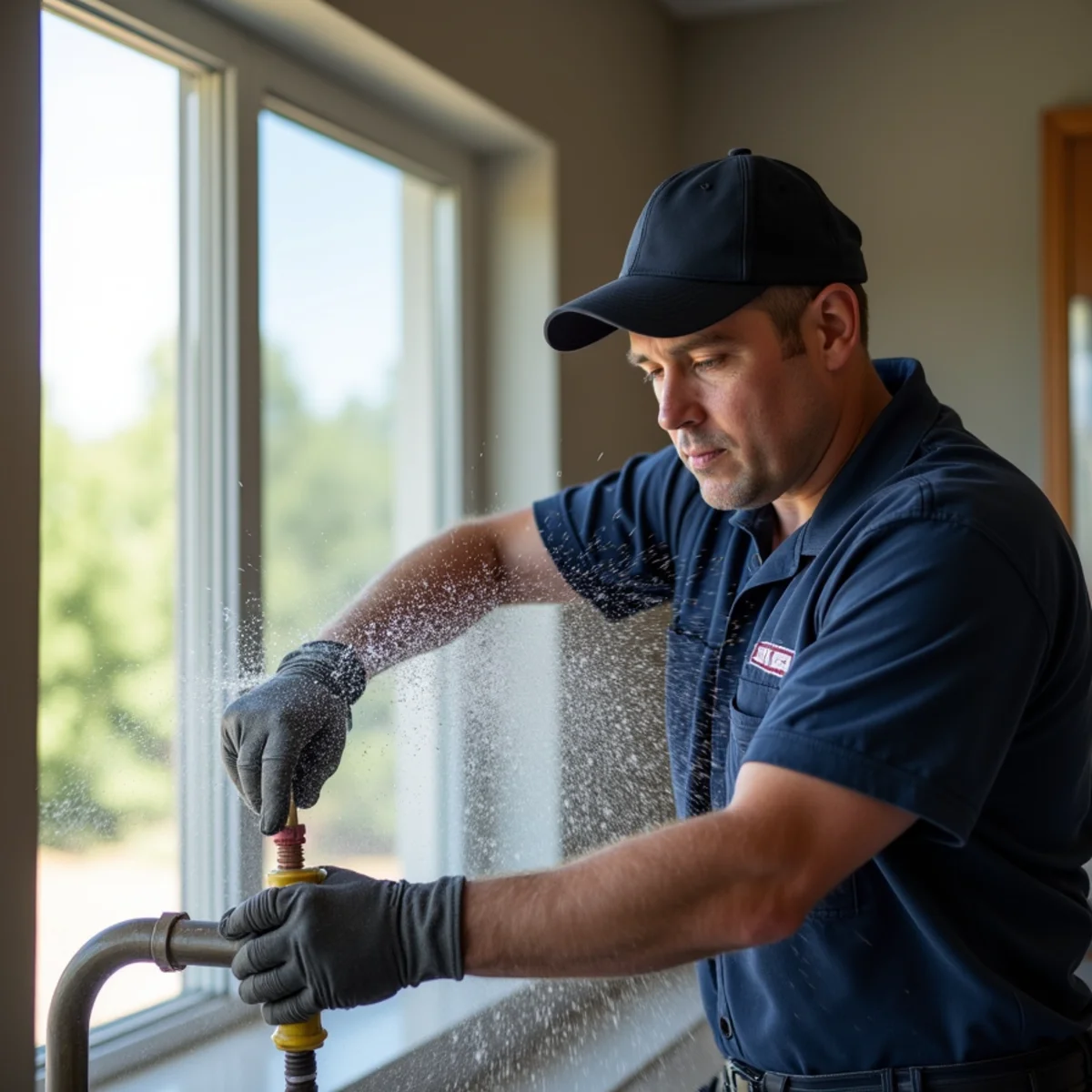
If you can safely reach the break and it is still weeping after the main is off, a temporary wrap can help. Wrap the crack tightly with rubber from a cut section of hose or a rubber patch, then secure it with hose clamps or several turns of self-fusing silicone tape.
Treat this only as a bridge until a professional arrives. A patched pipe under pressure can fail again, so keep the main off and rely on the wrap only if you must briefly restore water elsewhere in the home.
Why Front Range homes are prone to burst pipes
Littleton, Highlands Ranch, and the surrounding communities experience sharp freeze-thaw cycles, and pipes in unheated garages, crawl spaces, and exterior walls are the usual casualties. Expansive clay soils common to the area can also shift buried lines over time, stressing joints.
This is why prevention matters as much as response. Insulating vulnerable pipes, keeping the thermostat steady during cold snaps, and disconnecting garden hoses before winter all lower your risk of the next burst.
Call for professional burst pipe repair
Once the immediate danger is handled, call Littleton Plumbing Pros at (831) 290-4327. We provide 24/7 emergency service throughout Littleton and Highlands Ranch, and we are fully licensed and insured in Colorado.
Our technicians locate the failure, replace the damaged section, and check nearby lines for freeze stress or corrosion so the same weak point does not burst again. Fast, correct burst pipe repair is the difference between a minor fix and a major remodel.
How we find and fix the failed section
When we arrive, the first job is confirming the water is truly off and the line is depressurized, then tracing the break. A visible spray is easy; a burst inside a wall or under a slab is not, so we follow water staining, use moisture meters, and sometimes open a small access point to reach the exact fitting. Guessing wastes drywall, so we locate before we cut.
The repair depends on the pipe. A clean copper split gets cut back to sound metal and joined with new pipe; a failed compression or push fitting is replaced outright; and brittle, corroded galvanized runs common in older Littleton homes are often better repiped than patched. We also check the neighboring lengths, because a pipe that froze once usually has company nearby that froze with it.
- Confirm the main is off and the line is drained before cutting.
- Trace hidden breaks with moisture readings and staining, not guesswork.
- Cut copper back to sound metal; replace failed push and compression fittings.
- Repipe corroded galvanized runs rather than patch a weak line.
- Inspect adjacent lengths for freeze stress before closing the wall.
What burst pipe repair typically costs
Cost depends far more on access and damage than on the pipe itself. A single accessible break repaired quickly often lands in a modest range, while a burst behind tile, inside a finished ceiling, or under a slab climbs because of the demolition and restoration involved. These are estimates, not quotes; the only accurate number comes from seeing the failure in your home.
Two things keep the bill down: speed and documentation. The faster the water is off, the less drywall, flooring, and insulation you replace, and the smaller the mold risk. Keeping photos and receipts also matters, because a sudden burst is frequently a covered insurance event and good records support the claim. Ask us to document the cause and the repair for your adjuster.