Backflow testing is one of those compliance requirements that many business owners do not think about until a notice arrives from the water provider, or worse, until the water is shut off for non-compliance. If your business has an irrigation system, a fire suppression line, or certain commercial equipment, there is a good chance you have a backflow prevention assembly that needs annual testing.
This article explains what backflow is, why it is a public health issue, and what Colorado businesses generally need to do to stay compliant. The specifics vary by water provider, so treat this as a foundation and confirm the details with the utility serving your property in Littleton, Denver, or wherever you operate.
What backflow is and why it is dangerous
Water in a public supply is meant to flow one way, from the utility to your building. Backflow is when that flow reverses, and it can happen when pressure in the system drops, for example during a water main break or heavy firefighting demand, creating suction that pulls water backward. If that happens without protection, contaminated water from a building can be siphoned back into the potable supply that everyone shares.
The consequences can be serious. Irrigation systems, chemical equipment, boilers, and industrial processes can all introduce contaminants into drinking water if backflow occurs. That is why backflow prevention is treated as a public health safeguard, not just a plumbing detail, and why testing is mandated.
What a backflow prevention assembly does
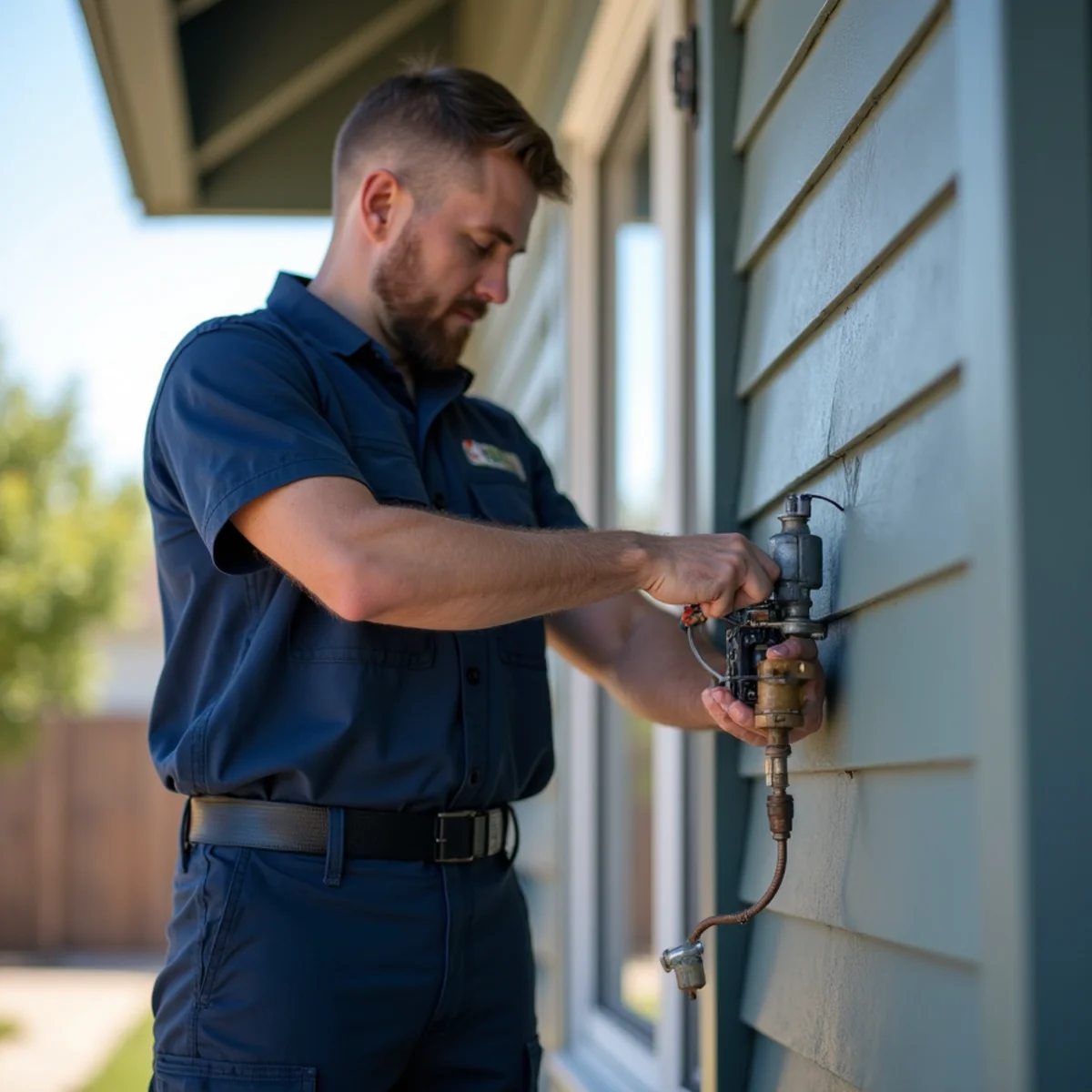
A backflow prevention assembly is a specialized valve installed on your water line that allows water to flow in only one direction. If pressure reverses, the assembly closes and blocks contaminated water from flowing back into the public supply. Different types exist for different levels of hazard, from simple check-valve devices to reduced-pressure assemblies for higher-risk applications.
These assemblies have internal springs, seals, and check valves that wear over time and can fail without any outward sign. A device that looks fine may no longer close properly, which is exactly why periodic testing is required rather than relying on visual inspection alone.
Who needs backflow testing in Colorado
Requirements are set at the water-provider level, and many Colorado providers require annual testing and certification of backflow assemblies. As a general matter, commercial properties and any system that poses a cross-connection risk are the ones subject to these rules.
The following are commonly required to have tested assemblies, though you should always confirm with your specific water utility.
- Irrigation and sprinkler systems, including at commercial and residential properties
- Fire suppression systems
- Restaurants and food service operations
- Medical, dental, and laboratory facilities
- Boilers and commercial equipment connected to the potable supply
- Many multi-tenant and mixed-use commercial buildings
How the testing process works
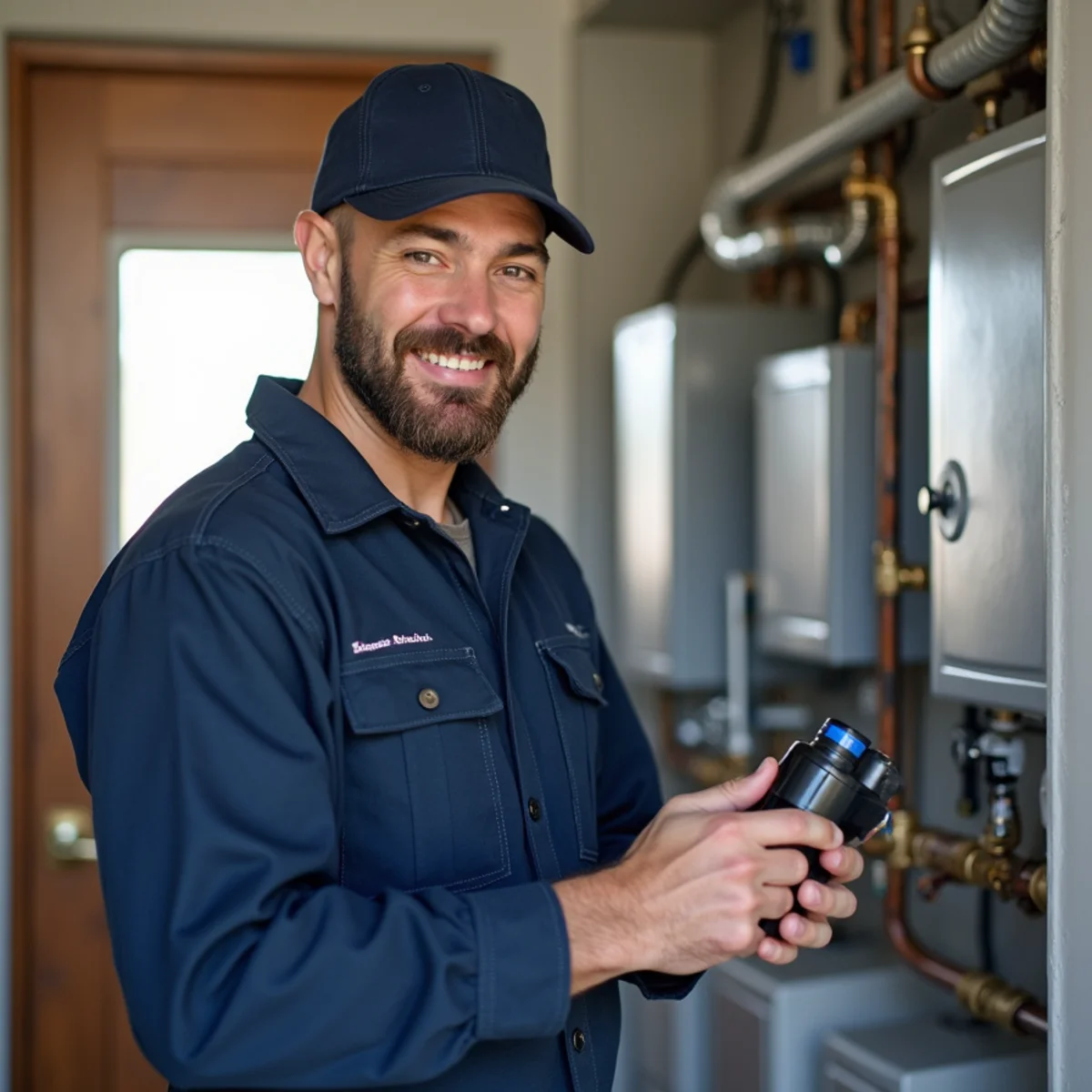
Backflow testing must be performed by a certified tester using calibrated gauges. The tester isolates the assembly, opens test cocks, and measures whether the internal check valves and relief mechanism hold pressure and close as designed. The whole process is usually brief and causes only a short interruption to the water at that connection.
If the assembly passes, the tester completes a certification report that is submitted to the water provider on your behalf, documenting compliance for the year. If it fails, the assembly needs repair or replacement, followed by a retest. Because parts wear, an assembly that passed last year can still fail this year, which is the whole point of testing annually.
Timing the test around your operations helps avoid disruption. For an irrigation assembly, spring startup is a natural moment to combine testing with turning the system on; for a restaurant or a fire line, scheduling before the busy season keeps a brief shutoff from landing at the worst time. A tester who plans around your calendar makes the annual requirement nearly invisible to daily business.
What happens if you skip it
Ignoring a backflow testing notice is a costly mistake. Water providers take these requirements seriously because they protect the shared drinking water supply. Non-compliance can lead to fines, and providers have the authority to shut off water service to a property that fails to test its assembly, which for most businesses means shutting the doors.
Beyond the direct penalties, an untested or failed backflow assembly is a genuine liability. If a backflow event contaminated the public supply and your unprotected connection was the cause, the consequences extend well beyond a fine. Staying current on testing is both a legal obligation and simple risk management.
Staying compliant without the scramble
The simplest way to stay compliant is to treat annual testing as a scheduled event rather than a reaction to a notice. Track the test date for each assembly on your property, schedule the certified test before the deadline, and keep copies of the certification reports. For property managers with multiple sites, bundling all assemblies into one annual schedule keeps everything on track.
Colorado plumbing is regulated by the state through the Department of Regulatory Agencies, and you can review the state's plumbing information at dpo.colorado.gov/Plumbing, but your day-to-day testing requirements come from your water provider. Our certified team performs backflow testing and certification for businesses across the Denver metro, including Littleton and Denver, and we handle the reporting to your provider. Call us at (831) 290-4327 to schedule your test or set up an annual reminder.
Protecting your assembly from Colorado's freeze
Many backflow assemblies sit outdoors or in unheated spaces, which makes them a classic Front Range freeze casualty. The internal check valves and relief ports hold small amounts of water, and when that water freezes it can crack the brass body or split a component, leaving you with both a failed test and a repair bill come spring. Above-ground irrigation assemblies are especially exposed to a single hard overnight low after a mild afternoon.
A little winter preparation avoids it. Irrigation backflow devices should be drained and shut down as part of a fall blowout, and any assembly that must stay in service through winter needs insulation or a heated enclosure to hold it above freezing. Skipping this is one of the most common reasons a device that passed in spring fails the next test, so treat freeze protection as part of staying compliant, not a separate afterthought.
- Drain and shut down irrigation assemblies during the fall blowout
- Insulate assemblies that must stay in service through winter
- Use a heated enclosure for exposed above-ground devices
- Check for freeze cracks in spring before the first test
- Combine winterization with your annual testing schedule
What testing and repairs typically cost, and who's qualified
Backflow testing itself is inexpensive relative to the risk it manages; a single assembly test is a modest annual expense, and the cost rises with the number and size of the devices on a property. The bigger variable is what a failed test uncovers. Rebuilding an assembly with new springs and seals runs more than the test, and a device too corroded to rebuild has to be replaced entirely, which is a larger job with its own retest.
Just as important is who does the work. Colorado requires backflow testing by a certified tester using calibrated, current gauges, and both the certification and the reporting have to satisfy your water provider. Hiring an uncertified handyman means a report the utility will not accept and a test you may end up paying for twice. Confirm certification up front, and ask whether the tester also handles the repair and re-test if the assembly fails.