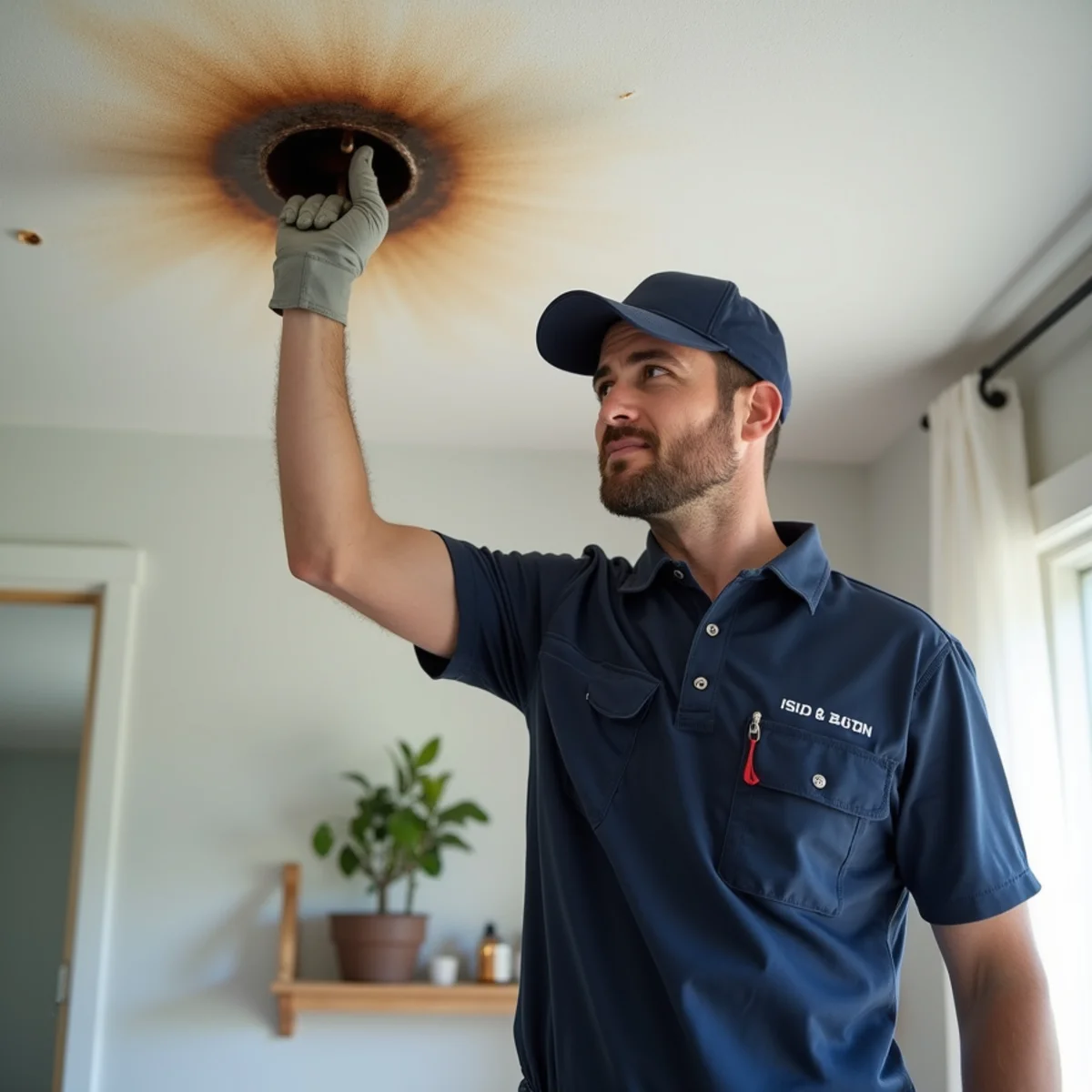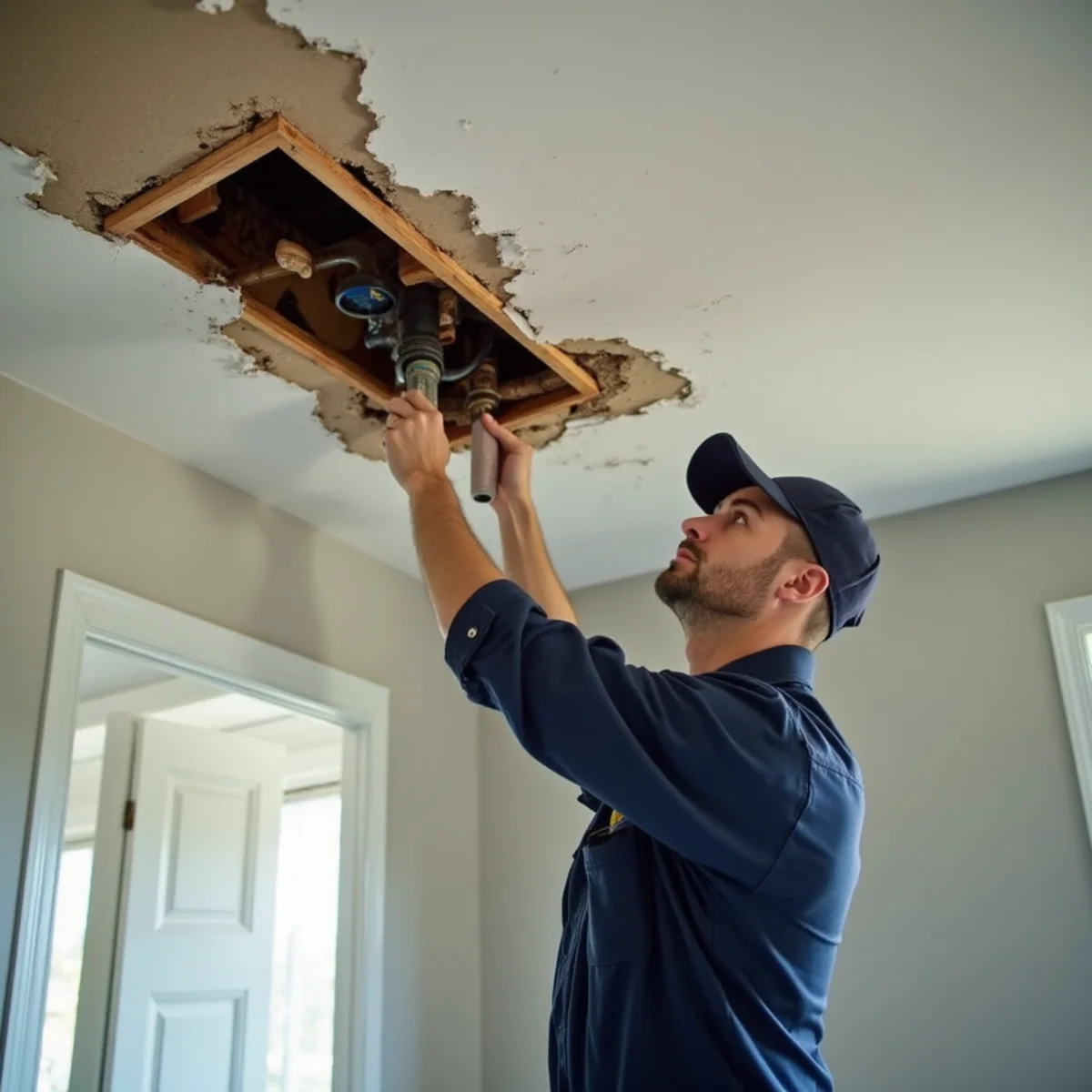
From a spiking water bill and the sound of running water with everything off, to warm spots on the floor and mold-like smells, the signs of a hidden leak are easy to miss. We track them down fast and repair them with minimal disruption.
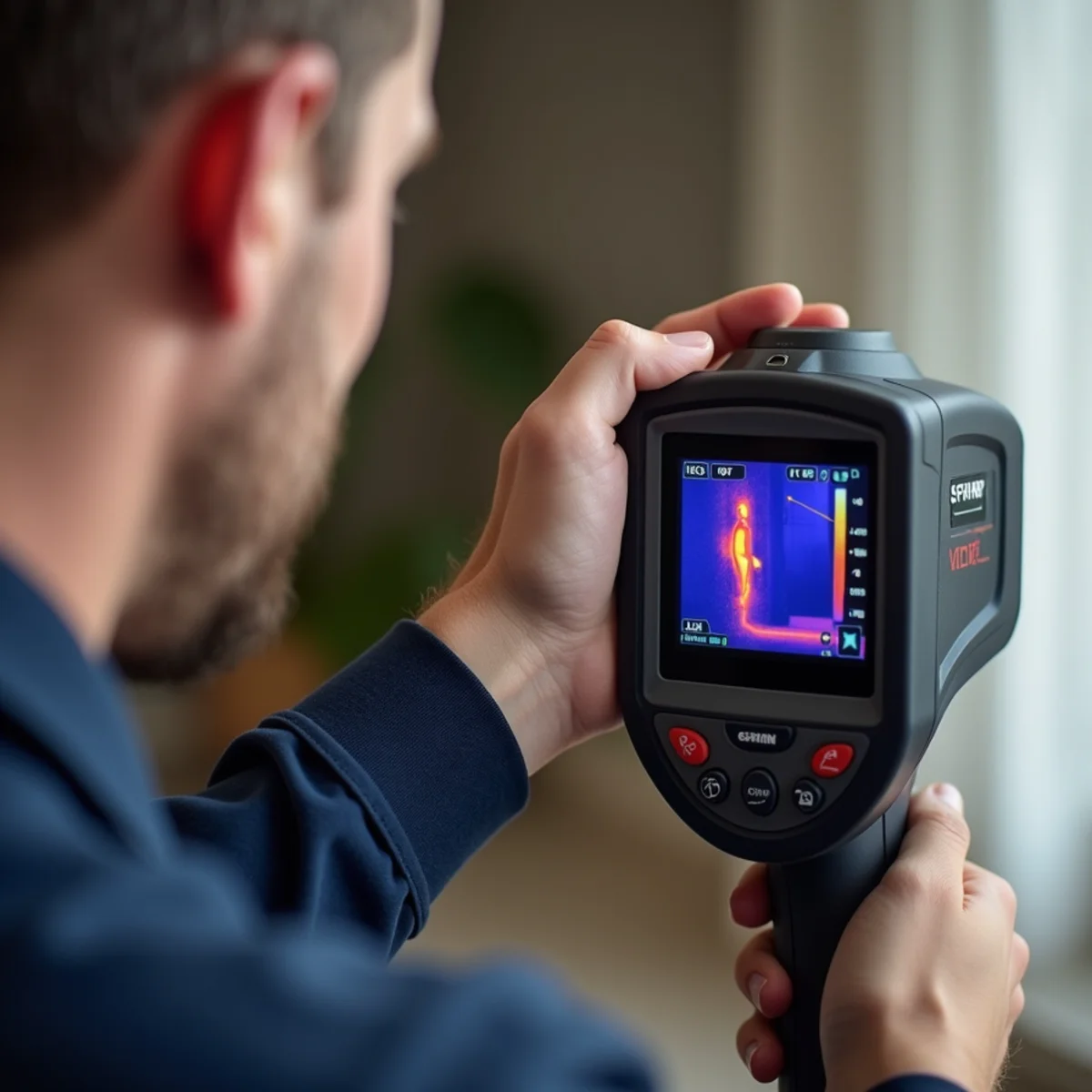
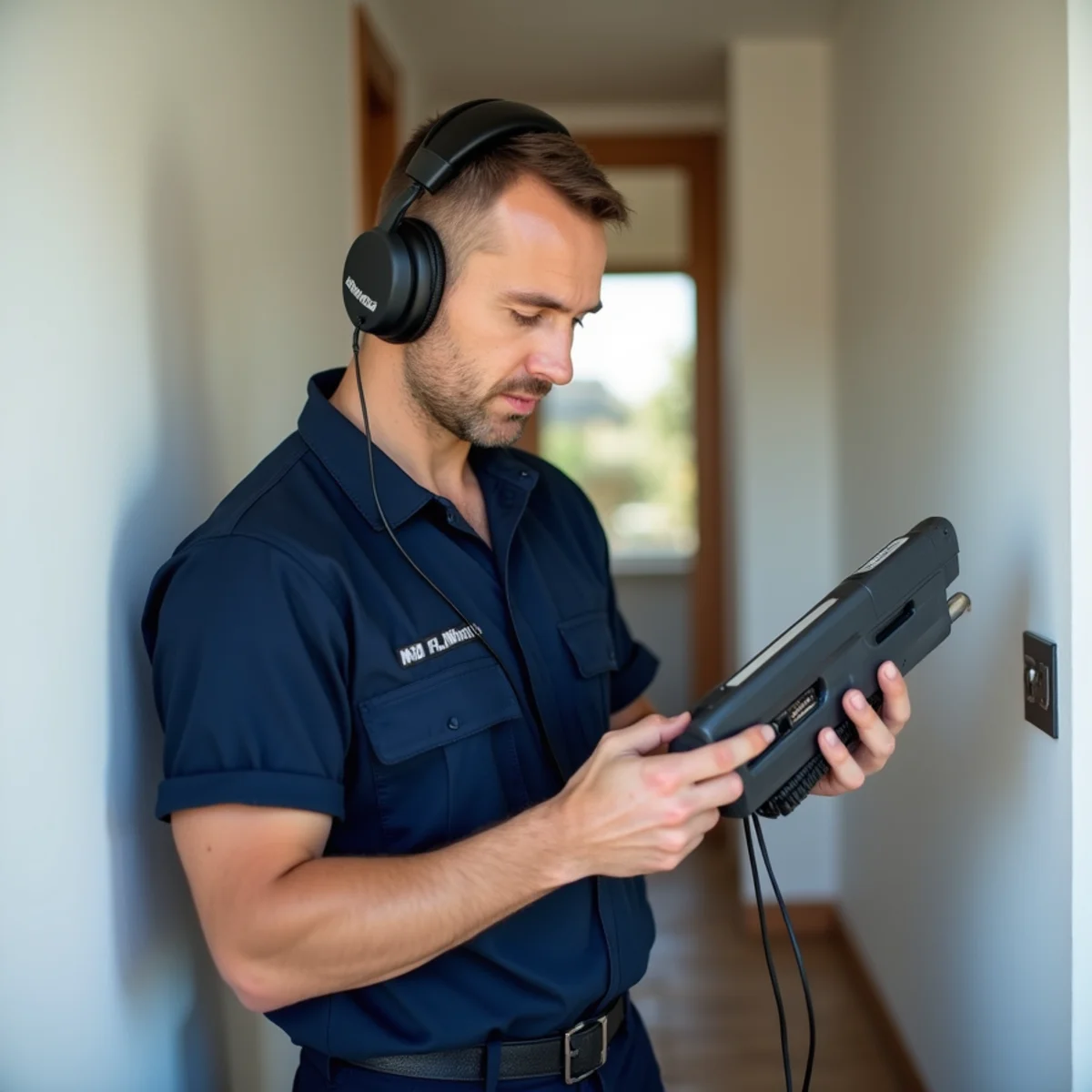
- Acoustic and thermal leak location
- Find the leak before we open a wall
- Slab, supply-line and fixture leaks
- Documentation for your insurance claim
Signs You Have a Hidden Leak
- A water bill that jumped for no clear reason
- The sound of running water when everything is off
- Warm or damp spots on the floor
- Stains, bubbling paint or a musty smell
- Low water pressure throughout the house
- A water meter that keeps moving with no water in use
Ready to book leak detection?
Same-day service — 60–90 minutes across Littleton & Arapahoe County.
Non-Invasive Leak Location
We use acoustic listening equipment, thermal imaging, and pressure testing to locate a leak precisely — under a slab, behind a wall, or in a buried supply line — so the repair is surgical instead of exploratory. Finding the exact spot first means less demolition, a faster fix, and a lower total cost.
Repairs and Insurance Documentation
Once we have located the leak, we repair the failed section — a pinhole in copper, a cracked fitting, a slab line, or a failed supply connection. If water has traveled into flooring or walls, we document the source and damage with photos and written findings so you have what you need for an insurance claim, and we help you separate plumbing repair from drying and reconstruction.
What a Leak Detection Visit Includes
The whole point of professional detection is to open one small area instead of five. We isolate which line is failing, pinpoint the leak with acoustic and thermal equipment, mark it precisely, and — once you approve — make the repair and document the source and damage for your records. You leave the visit knowing exactly where the water was going and why.
- A meter check and pressure test to confirm water is escaping
- Acoustic, thermal and pressure-isolation location of the leak
- A clear mark and explanation before any wall or slab is opened
- The repair — fitting, section, slab line or re-route
- Photos and written findings to support an insurance claim
Our Leak Detection Process, Step by Step
Finding a hidden leak is detective work; guessing is expensive. Here is the sequence we follow.
- 1. Confirm — verify a leak exists with a meter and pressure test
- 2. Isolate — determine which line (supply, slab, irrigation) is losing water
- 3. Pinpoint — use acoustic listening and thermal imaging to mark the exact spot
- 4. Repair — open only the marked area and fix the failed section
- 5. Document — photograph the source and damage and give you written findings
Why Littleton Homeowners Choose Us for Leak Detection
Plenty of companies will start cutting drywall and bill you for the exploration. We invest in locating the leak first because it is cheaper for you and faster for everyone — a habit built over 15 years of chasing slab leaks and pinholes in hard-water Denver-metro homes.
- 15+ years locating hidden and under-slab leaks in the Littleton area
- Non-invasive tools mean less demolition and a lower total cost
- Licensed & insured, with claim-ready documentation of the source
- Up-front pricing and 480+ satisfied local customers
What Affects Leak Detection Pricing
We locate before we repair, and that is what keeps the cost down — a pinpointed leak means a small, targeted fix instead of exploratory demolition across your walls or floor. Your written quote reflects a few honest variables:
- How accessible the leak is (slab, wall, buried line)
- Detection method required to pinpoint it
- Type of repair — fitting, section, or re-route
- Extent of any water damage already present
- Emergency vs. scheduled service
Leak Detection Across the Littleton Area
We provide leak detection & repair throughout Littleton, Arapahoe County and the surrounding Denver metro, including: