Water damage is one of the most common and expensive problems homeowners face, and whether insurance pays can feel like a coin flip. In Colorado, coverage usually comes down to what caused the damage and how sudden it was.
This article explains, in plain terms, when a standard policy tends to cover water damage, when it typically does not, and what you can do to protect your claim. This is general information, not legal or insurance advice, so always confirm the specifics with your own policy and agent.
Sudden and accidental versus gradual
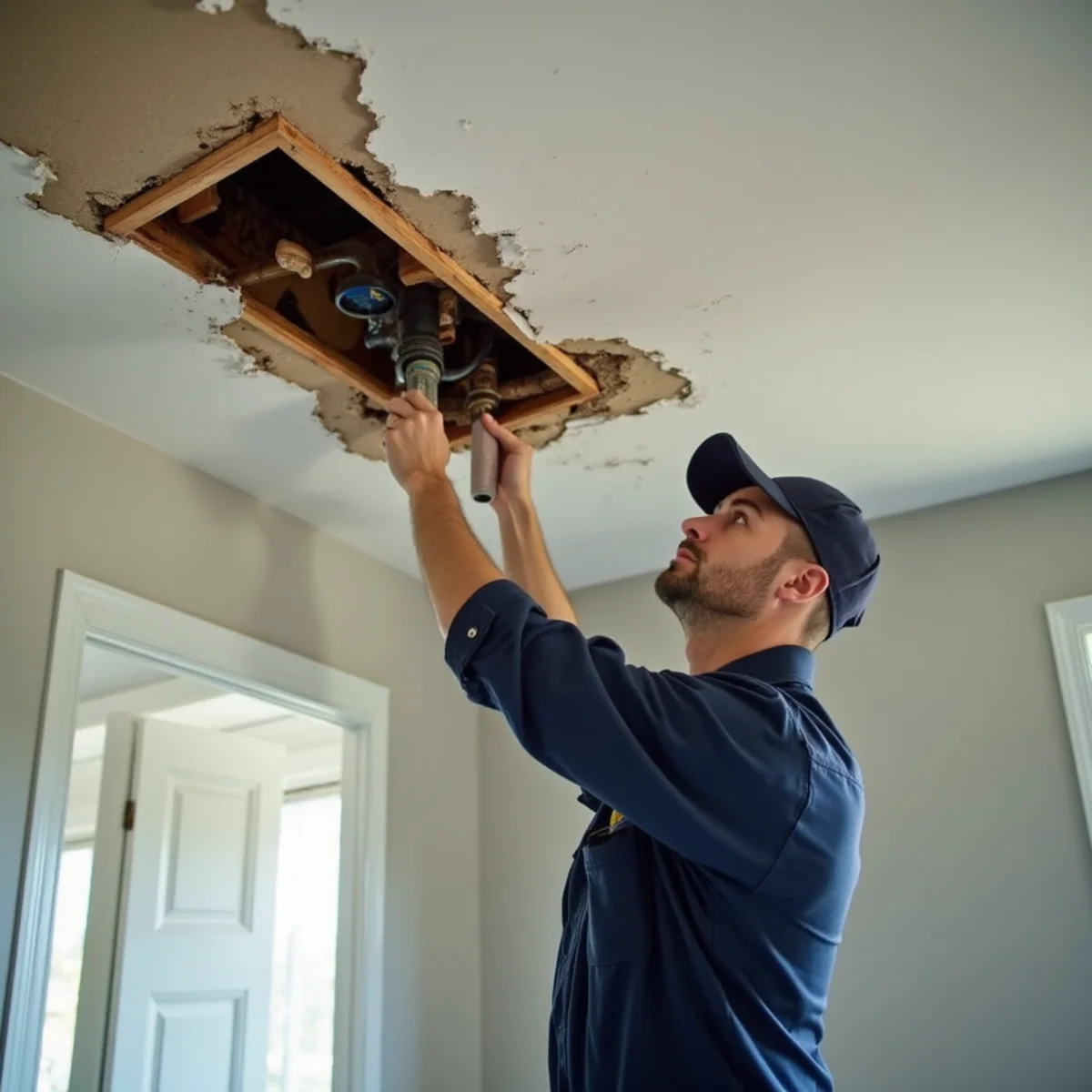
The single most important distinction in most policies is whether the damage was sudden and accidental or gradual. Sudden, unexpected events, such as a pipe that bursts without warning, are far more likely to be covered.
Gradual damage, such as a slow leak that seeps behind a wall for months, is often excluded because insurers view it as a maintenance issue the homeowner should have caught. This is why finding and fixing leaks quickly matters not just for your home but for your coverage.
What is commonly covered
While every policy differs, standard homeowners coverage in Colorado often includes water damage from sudden internal failures. Typical covered scenarios include the following.
- A pipe that suddenly bursts, including many freeze-related bursts if the home was heated.
- An appliance hose or water heater that fails abruptly.
- A sudden overflow you could not have anticipated.
- Damage from putting out a fire.
What is often excluded
Just as important is knowing what standard policies frequently leave out. These gaps catch many homeowners by surprise.
- Gradual leaks and long-term seepage attributed to lack of maintenance.
- Sewer and drain backups, which usually require a separate endorsement.
- Flooding from outside surface water, which needs separate flood insurance.
- Damage from a failure you knew about and did not repair.
- Mold, in many cases, unless it results from a covered event.
The deductible and coverage limits
Even when damage is covered, you pay your deductible before insurance contributes, and coverage is capped at your policy limits. For a small leak, the repair cost may be close to or below your deductible, making a claim impractical.
It is worth reviewing your policy before an emergency so you understand your deductible, whether you have sewer backup coverage, and what your limits are. Knowing this in advance helps you make a clear-headed decision when something goes wrong.
How to protect your claim
If water damage happens, your actions in the first hours affect both the outcome and your claim. Insurers expect you to mitigate further damage, and good documentation supports your case.
- Stop the water source and mitigate damage promptly.
- Photograph and video everything before cleanup.
- Keep damaged items until an adjuster can review them.
- Save receipts for emergency repairs and temporary fixes.
- Get a professional plumber to document and repair the cause.
Why fast leak detection helps
Because gradual damage is so often excluded, catching a leak early can be the difference between a covered claim and an out-of-pocket loss. A hidden leak that goes undetected for months can be denied as a maintenance failure.
Professional leak detection and repair finds the source before it becomes long-term damage, and a documented repair shows your insurer you addressed the problem responsibly. For homes in Littleton and nearby Lakewood, prompt action protects both your property and your policy standing.
When to Call a Plumber for Your Claim
If you have water damage, a plumber's report on the cause is often exactly what an adjuster needs. We can identify whether a failure was sudden, locate the source, make the repair, and provide documentation for your claim.
Call Littleton Plumbing Pros at (831) 290-4327 for burst pipe repair or leak detection. As a licensed and insured Colorado plumber, we help you stop the damage fast and give you the paperwork to support your insurance claim.
How to file a water damage claim step by step
When damage happens, a calm sequence protects both your home and your claim. Stop the water first, then document everything before you clean up, because an adjuster cannot assess what you have already thrown away. Call your insurer promptly to open the claim, and keep every receipt for emergency work, since insurers expect you to mitigate further damage and will often reimburse reasonable temporary repairs.
From there, cooperate with the adjuster and let the paper trail do the work. A plumber's report identifying the cause as sudden and accidental carries real weight, and photos taken before cleanup are hard to argue with. If a claim is denied, you can ask for the specific policy language behind the decision and, when warranted, request a re-inspection.
- Stop the water source and prevent further damage immediately.
- Photograph and video all damage before any cleanup.
- Open the claim with your insurer as soon as you can.
- Keep damaged items until the adjuster has reviewed them.
- Save receipts for emergency and temporary repairs.
- Get a written plumber report documenting the cause and the fix.
Endorsements worth adding before you need them
Standard policies leave predictable gaps, and the time to close them is before an emergency, not after a denial. The most valuable add-on for Front Range homes is sewer and drain backup coverage, which is almost never included by default yet covers one of the messiest and most expensive events a basement can face. It is usually inexpensive relative to the protection it provides.
Two others are worth asking about. A service line endorsement can cover the buried water or sewer pipe between your home and the street, which standard policies typically exclude and which is exactly the kind of line that fails in expansive clay soil. Separate flood insurance covers surface water that a homeowner's policy never will. Review these with your agent yearly.