Whether you are replacing a cracked toilet or upgrading to a water-saving model, the first question is almost always about cost. Prices vary more than most people expect, because the toilet itself is only part of the total.
Below we break down what toilet installation typically costs in the Littleton area, what factors push the price up or down, and how to avoid surprises. All figures here are estimates based on local ranges, not quotes.
Typical toilet installation cost in Littleton
For a standard toilet swap in the Littleton area, homeowners commonly pay somewhere in the range of $359 to $535 for professional installation, though the broad range can run anywhere from under $100 to nearly $950 depending on the job. Across the wider Denver metro, standard installs often land between $225 and $528, averaging around $377.
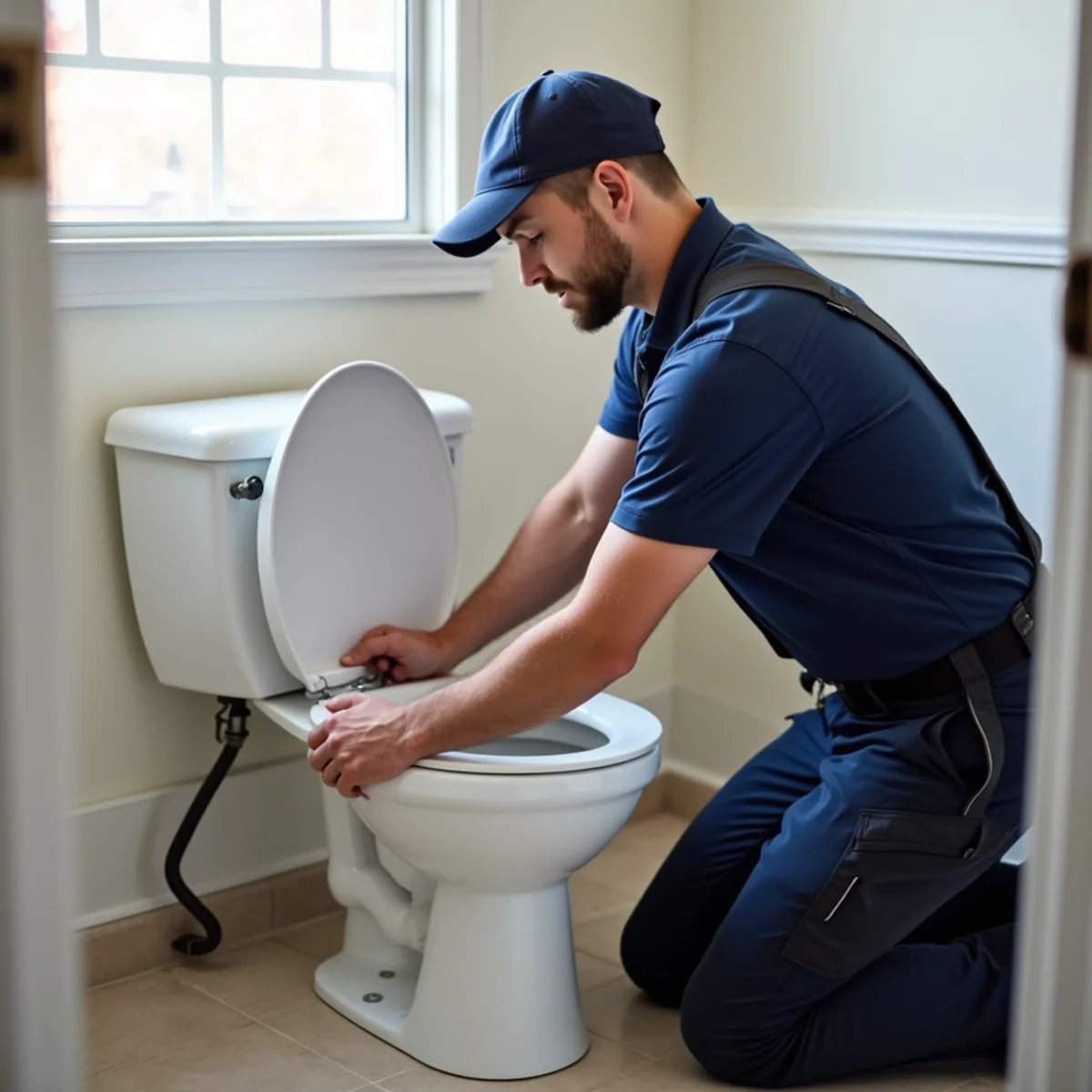
These figures generally cover removing the old toilet, setting the new one, installing a fresh wax ring and supply connections, and testing for leaks. The price of the toilet itself is usually separate unless you buy through the installer.
What drives the price up or down
No two bathrooms are identical, and several factors influence where your project lands within that range. Understanding them helps you read a quote with confidence.
- Toilet type: a basic two-piece model costs far less than a one-piece, wall-mounted, or smart toilet.
- Condition of the flange and floor: a corroded flange or rotted subfloor adds labor and materials.
- Accessibility: tight powder rooms and upstairs bathrooms take longer.
- Old toilet removal and disposal: hauling away the old unit may be an added fee.
- Shutoff valve and supply line: replacing an old valve is common during installation.
Repair versus replacement
Not every problem calls for a new toilet. Minor repairs, such as replacing a fill valve or flapper, commonly run $100 to $250, while resealing a leaking base with a new wax ring often falls in the $150 to $350 range.
If your toilet is more than a couple of decades old, cracks, wobbles, or runs constantly, replacement can make more sense than repeated repairs, especially if you would gain water savings. A professional can tell you honestly which path costs less over time.
The case for a water-saving upgrade
Toilets account for roughly 30 percent of indoor water use in a typical home, so the model you choose has a real effect on your bills. Older toilets can use 3.5 gallons or more per flush, while the federal standard is 1.6 gallons.
WaterSense-labeled toilets use just 1.28 gallons per flush while still clearing the bowl reliably. Over years of use, that difference adds up, and upgrading during a planned installation is the most cost-effective time to make the switch.
Hidden costs to watch for
The advertised price is not always the final price, and a handful of situations commonly add to the total. Being aware of them helps you budget realistically.
- A damaged flange discovered after the old toilet comes up.
- Subfloor repair from a long-undetected wax ring leak.
- Upgrading a corroded shutoff valve or brittle supply line.
- Permit requirements for certain remodels or new fixtures.
- Removing an unusually heavy or specialty toilet.
Why licensed installation is worth it
It can be tempting to save money with a DIY install, but a toilet that is set even slightly wrong can leak at the base for months before you notice, damaging the subfloor and inviting mold. Colorado plumbing work is regulated by the state, and a licensed plumber ensures the job meets code.
A proper installation includes a correct wax ring seal, a level and secure set, and a leak test under real conditions. That is the difference between a toilet that lasts decades and one that quietly ruins a floor. Our toilet installation and repair service handles all of it.
Get an accurate quote for your home
The only way to know your true cost is a look at your specific bathroom. We serve Littleton and all of Arapahoe County, and we give clear, upfront pricing before any work begins.
Call Littleton Plumbing Pros at (831) 290-4327 for a straightforward estimate. As a licensed and insured Colorado plumber, we will recommend repair or replacement honestly and stand behind the installation.
How to compare toilet installation quotes
Two quotes with the same headline number can describe very different jobs. Before you choose, get each one in writing and confirm exactly what is included, because the cheapest line item often leaves out disposal, a new shutoff valve, or the wax ring. A clear, itemized quote is also a sign of a plumber who has actually looked at your bathroom rather than reciting a flat rate.
Beyond price, confirm the installer is a licensed Colorado plumber and carries insurance, since an unlicensed set that later leaks can void coverage and cost far more. Ask how they handle surprises like a corroded flange, and whether the leak test and cleanup are part of the price. The right questions upfront prevent the awkward add-ons afterward.
- Is the toilet itself included, or is it supply-and-install separate?
- Does the price cover haul-away of the old unit?
- Are a new shutoff valve and supply line part of the quote?
- What happens, and what does it cost, if the flange is damaged?
- Are the leak test and full cleanup included?
- Are you licensed and insured in Colorado?
Choosing the right toilet before you buy
The fixture you pick affects both comfort and fit. The most important measurement is the rough-in, the distance from the finished wall to the center of the floor bolts, usually twelve inches but sometimes ten or fourteen in older homes. Buy the wrong rough-in and the toilet will not sit right against the wall. Measure before you shop, or have your installer confirm it first.
After fit, weigh height and bowl shape. Comfort-height bowls sit a couple of inches taller and are easier on knees and backs, while elongated bowls offer more room than round ones except in a tight powder room. A one-piece toilet wipes clean easily and hides fewer crevices, and a WaterSense model keeps the water savings without sacrificing flush power.