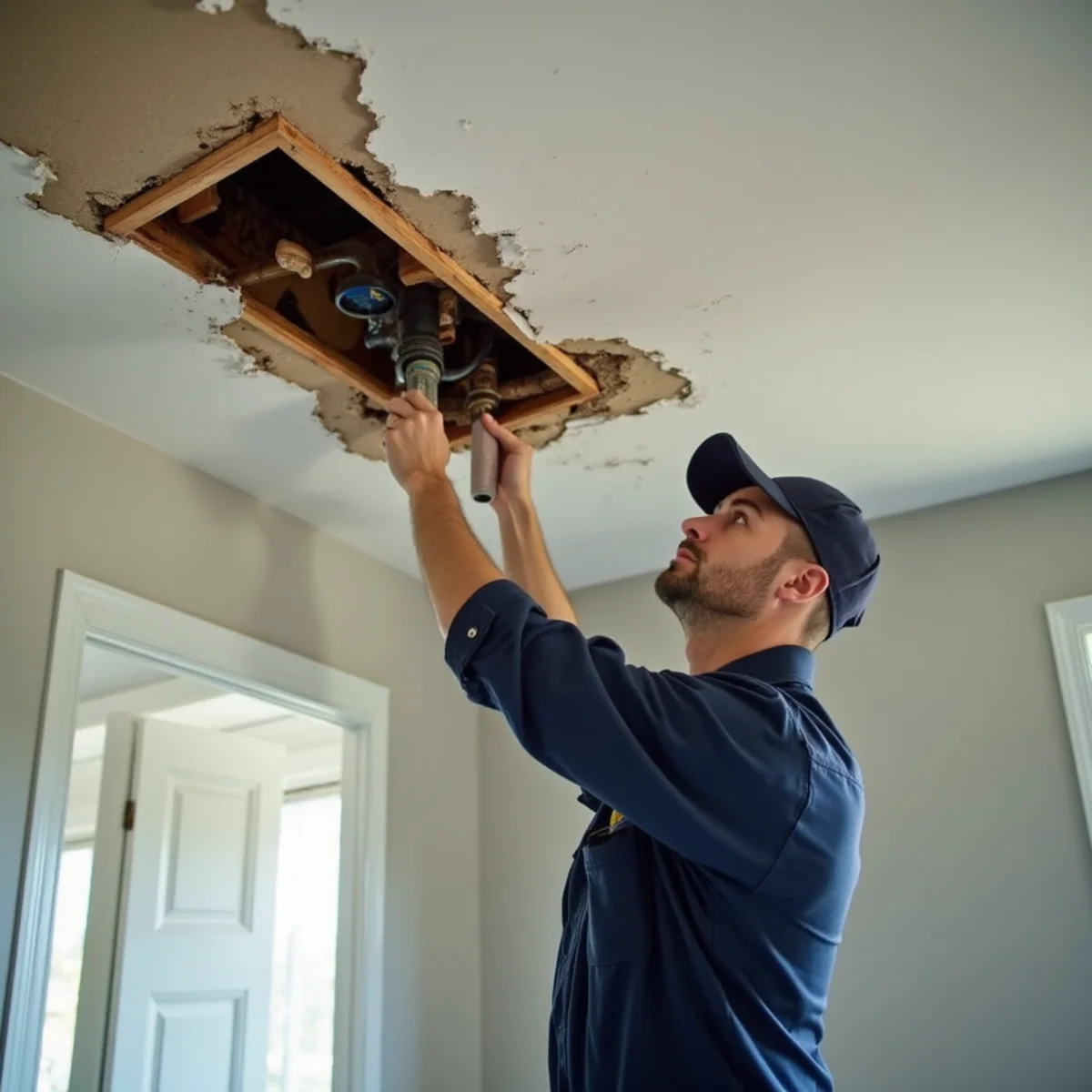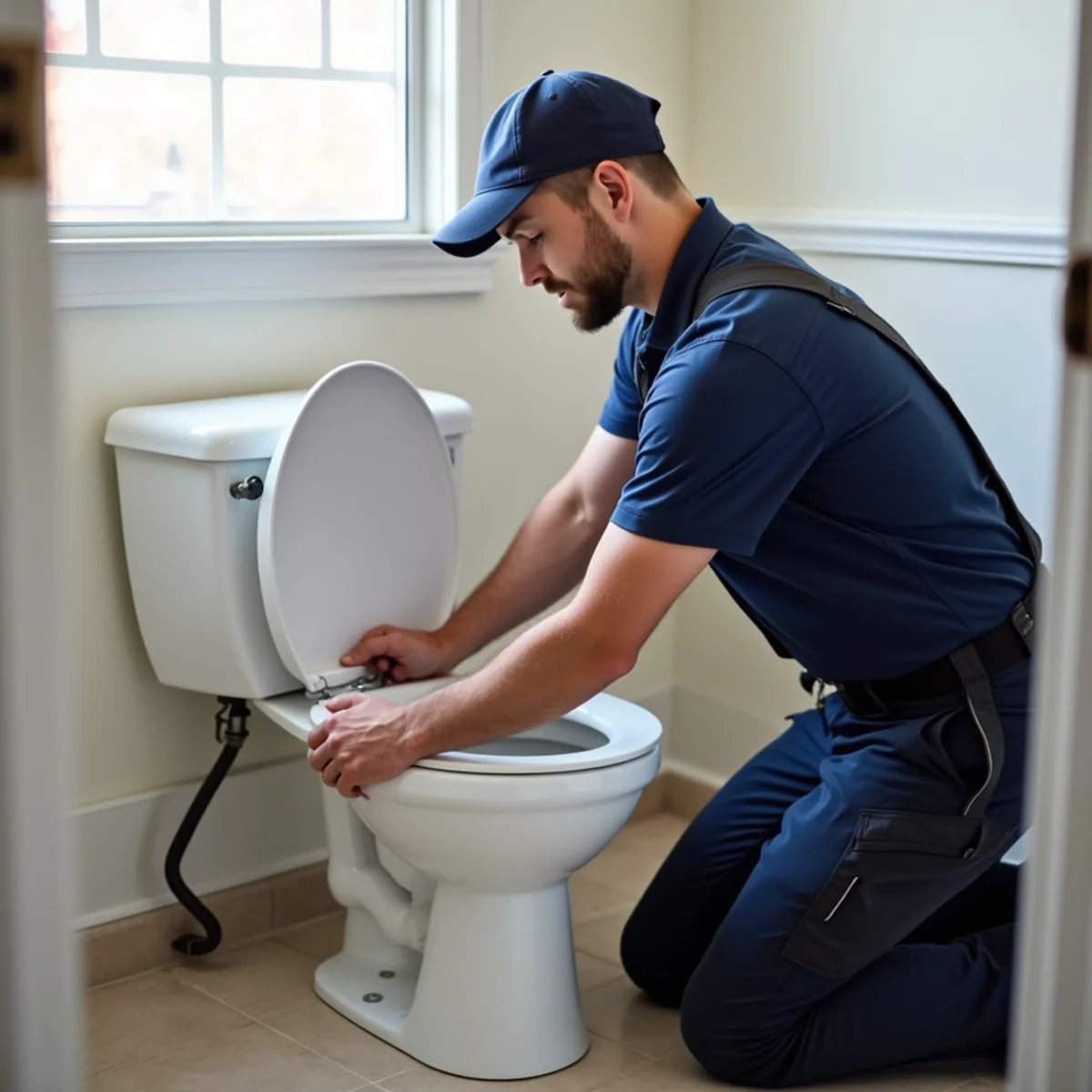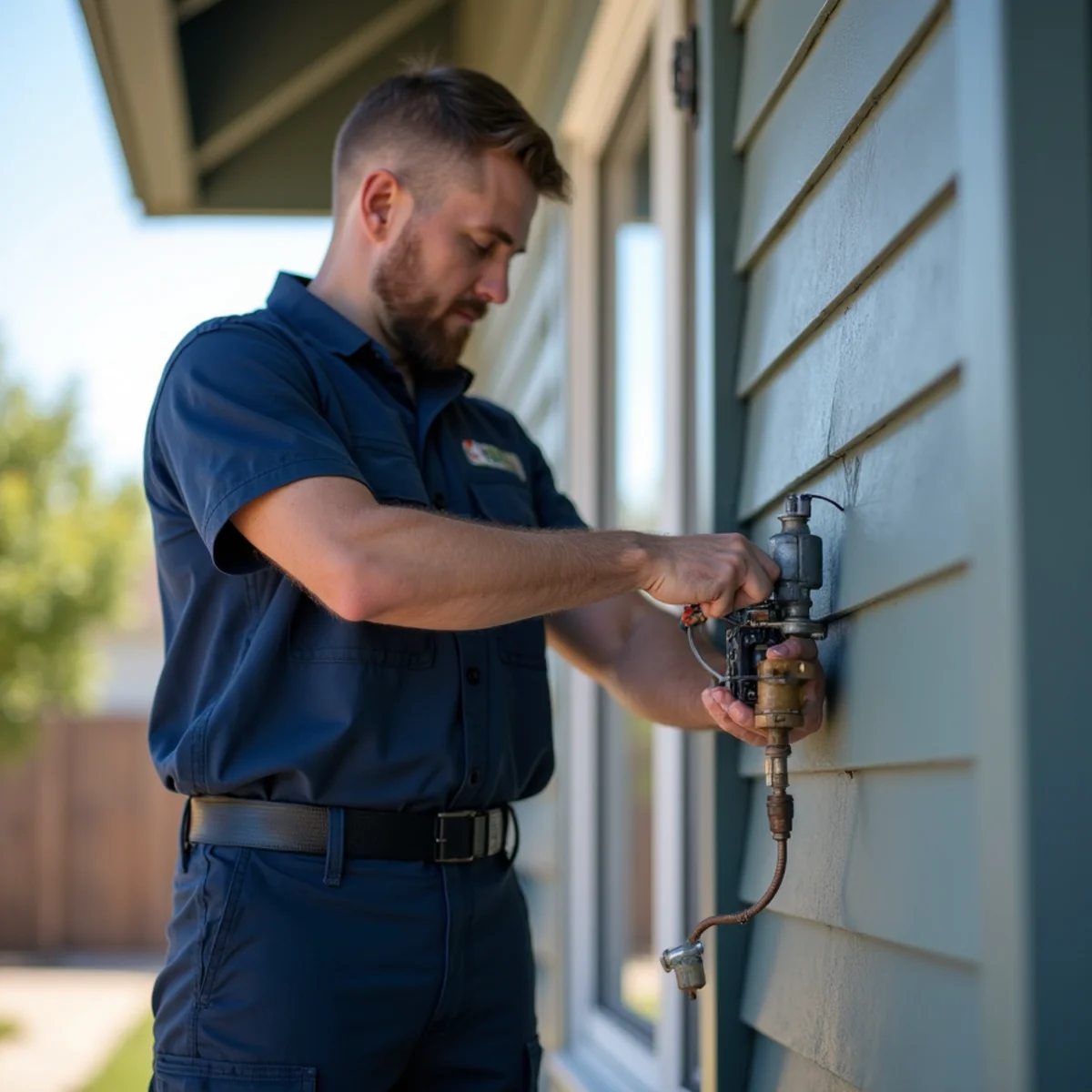
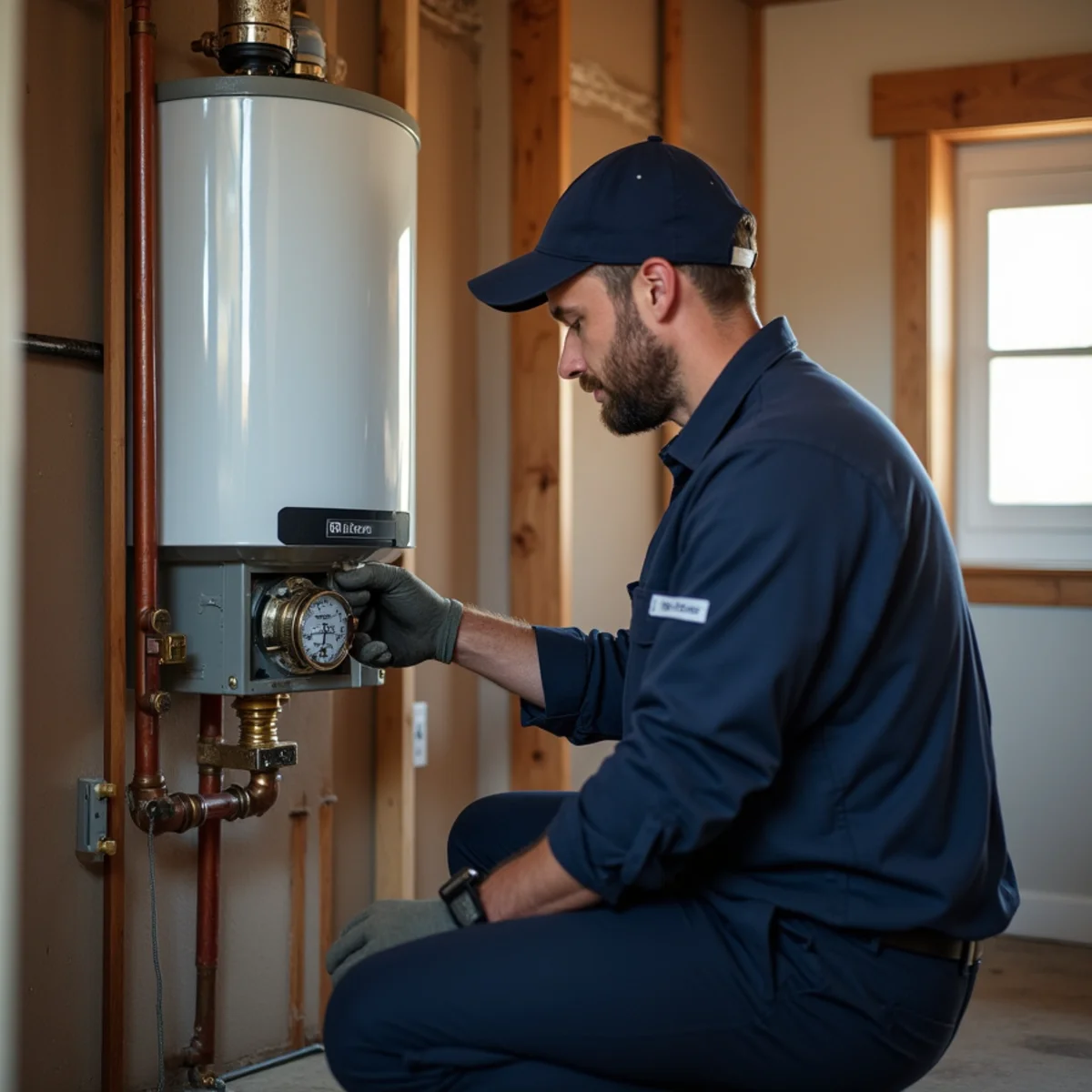
A failing water heater rarely gives much warning, and when it goes, the cost of replacement is one of the first things on every homeowner's mind. In the Denver metro, prices in 2026 depend heavily on the type of unit and the condition of your existing setup.
This guide lays out realistic replacement cost ranges, explains what drives the differences, and covers why our local water is hard on tanks. Every figure here is an estimate based on regional ranges, not a fixed quote.
Typical replacement cost ranges
For a standard tank water heater installed in the Denver metro, most homeowners in 2026 can expect to pay roughly $1,200 to $2,500, including the unit and professional installation. Tankless systems generally cost more upfront, often well above that range, because they require different venting, gas or electrical upgrades, and more involved labor.
Where you land depends on tank size, fuel type, efficiency rating, and how much work your existing connections need. A simple like-for-like swap sits at the lower end, while an upgrade with code updates sits higher.
Tank versus tankless
The biggest cost decision is tank versus tankless. Each has trade-offs beyond the sticker price, and the right choice depends on your household's hot water demand and how long you plan to stay in the home.
- Tank heaters cost less to buy and install but take up space and hold a limited supply of hot water.
- Tankless units cost more upfront but heat water on demand, save space, and often last longer.
- Tankless can lower energy bills over time, especially for smaller households.
- Switching from tank to tankless usually adds cost for venting and gas line changes.
What affects your total price
Two homes on the same street can get very different quotes, and it usually comes down to a handful of variables. Knowing them helps you understand your estimate.
- Capacity: a 40-gallon unit costs less than a 50 or 75-gallon model.
- Fuel type: gas, electric, and heat-pump units differ in price and installation needs.
- Efficiency: higher-efficiency and heat-pump models cost more but cut operating costs.
- Code upgrades: expansion tanks, seismic strapping, venting, and permits may be required.
- Location: a tight closet or attic install takes more labor than an open basement.
How hard water affects lifespan
Colorado's water tends to be hard, meaning it carries a high mineral content. Those minerals settle as sediment in the bottom of a tank, where they insulate the burner, force the unit to work harder, and accelerate corrosion.
A typical tank water heater lasts about 8 to 12 years, but hard water can shorten that. Annual flushing to clear sediment and checking the anode rod can meaningfully extend a tank's life and protect your investment.
Signs it is time to replace
Replacing before a failure is far less stressful and messy than replacing after a leak floods your utility area. Watch for these warning signs.
- The unit is more than ten years old.
- Water runs rusty or has a metallic smell.
- You hear rumbling or popping from sediment buildup.
- Hot water runs out faster than it used to.
- You see moisture, rust, or pooling around the base.
Repair or replace?
Not every issue means replacement. A faulty thermostat, heating element, or pressure-relief valve can often be repaired for a fraction of the cost of a new unit. The deciding factors are usually age and the nature of the problem.
As a rule of thumb, if the tank itself is leaking, replacement is the answer, because the steel has corroded through. If the tank is sound but a component failed, and the unit is under about eight years old, repair often makes more sense.
Get a straightforward Denver-area quote
Because so many factors affect the total, the best way to budget is a professional assessment of your home. We install and repair water heaters across the Denver metro, including Littleton and Denver proper, with clear pricing before we start.
Call Littleton Plumbing Pros at (831) 290-4327 for water heater installation and repair. We will help you weigh tank versus tankless, size the unit correctly, and make sure the installation meets Colorado code.
How to size a water heater for your household
Buying the wrong size is a common and costly mistake. Too small and you run out of hot water during back-to-back showers; too large and you pay to keep extra water hot around the clock. For tank units, the number that matters most is the first-hour rating, which tells you how much hot water the tank delivers during a busy morning, not just its gallon capacity.
Tankless sizing works differently and hinges on flow rate. A tankless unit must heat water fast enough to supply every fixture running at once, and Colorado's cold incoming winter water lowers a unit's effective output, so a heater sized for a warmer climate can disappoint here. Counting your peak simultaneous demand is the honest way to size either type correctly.
- Count how many showers and appliances run at the same time.
- For tanks, compare the first-hour rating, not just gallon capacity.
- For tankless, add up the flow rate of fixtures used at once.
- Factor in cold Colorado incoming water, which cuts tankless output.
- Size for peak demand, not average use, to avoid cold showers.
What installation day involves and Colorado code
A straightforward swap usually takes a few hours, but there is more to a code-compliant install than lifting out the old tank. We drain and disconnect the failed unit, set the new one, and reconnect water, gas or electrical, and venting. Colorado code commonly requires an expansion tank, a properly sized temperature and pressure relief line, and correct combustion air and venting on gas units.
Skipping those details is where DIY and unlicensed installs get expensive. Bad venting on a gas heater risks carbon monoxide, a missing expansion tank stresses the system as water heats and expands, and an improper relief line is a safety hazard. Many jurisdictions also require a permit and inspection, which protects you and keeps your homeowner's coverage intact.