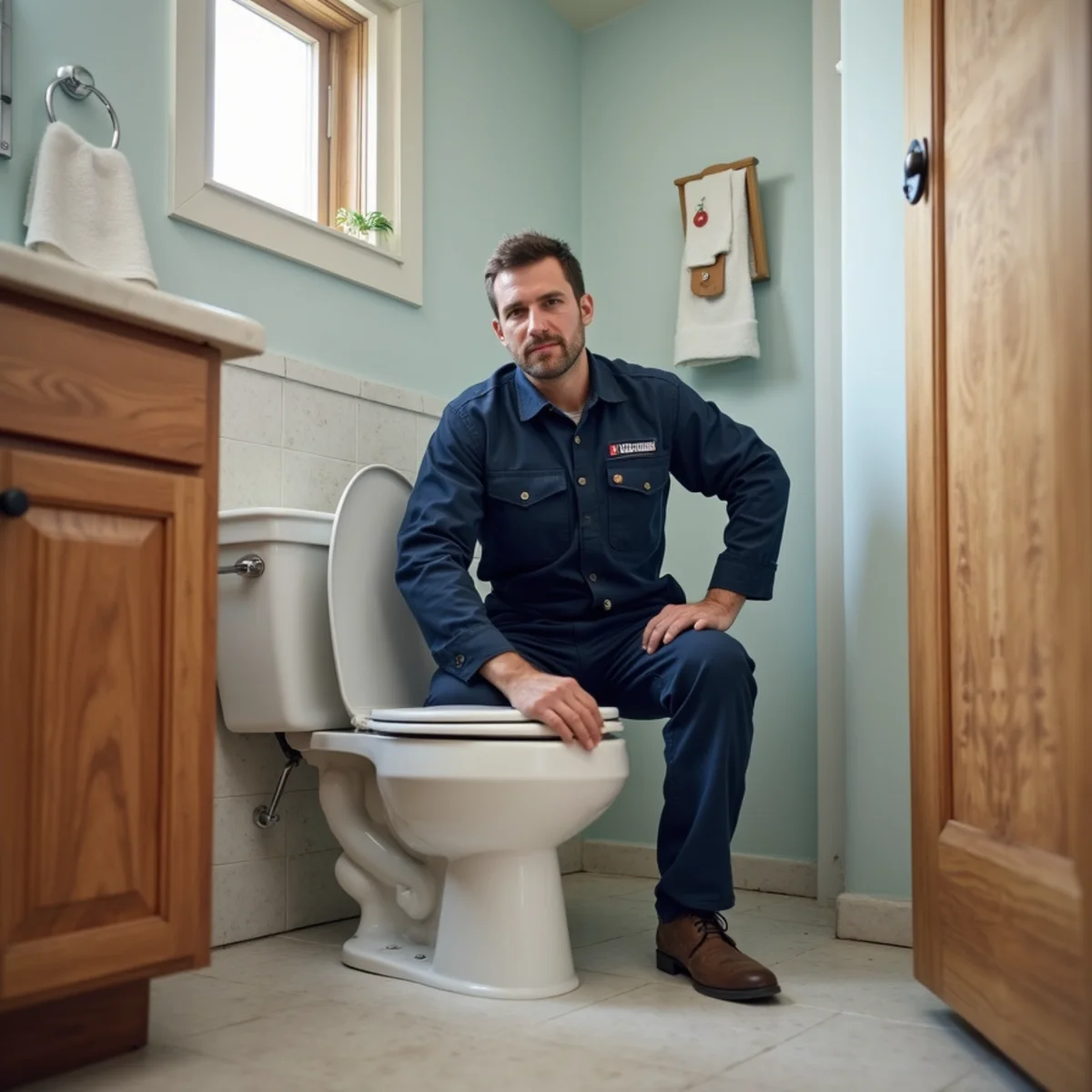
Littleton homes have local concerns. Naturally occurring iron and manganese can stain fixtures, and mineral buildup can affect fill valves, flappers, shutoff valves, and flush performance. Cold snaps can expose a weak supply line. If water is rising or spraying, turn the shutoff valve clockwise, stop flushing, and photograph the toilet, floor, nearby wall, and ceiling below before you call.
Whether you need a fast repair or a new toilet that fits your existing rough-in, you receive a written explanation of labor, fixture, parts, disposal, warranty, and after-hours terms before work begins — no surprises.
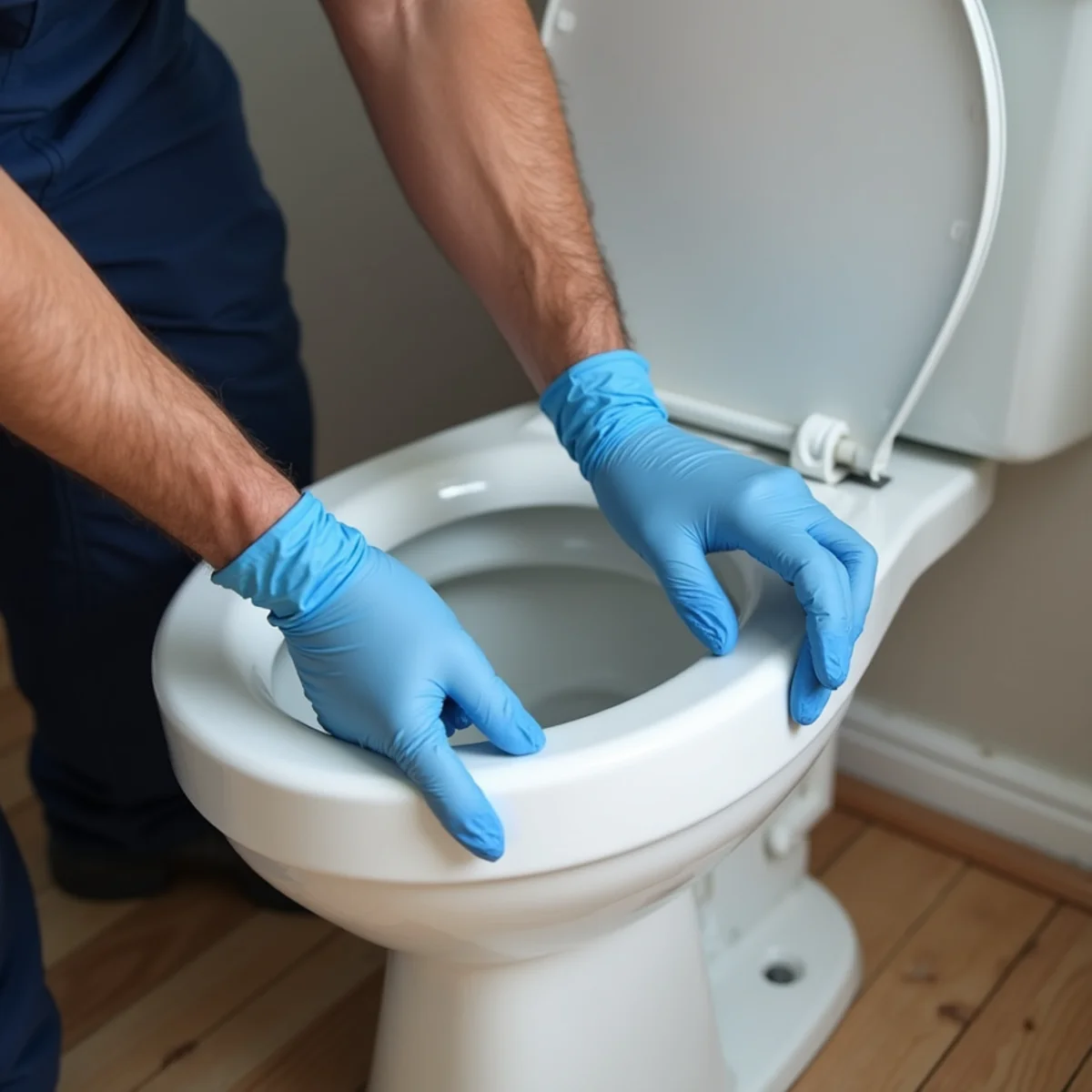
- Same-day repairs with parts stocked on the truck
- Up-front written pricing before any work begins
- We haul away and dispose of your old toilet
- Leak- and flush-tested before we call it done
Littleton Toilet Problems We Diagnose & Repair
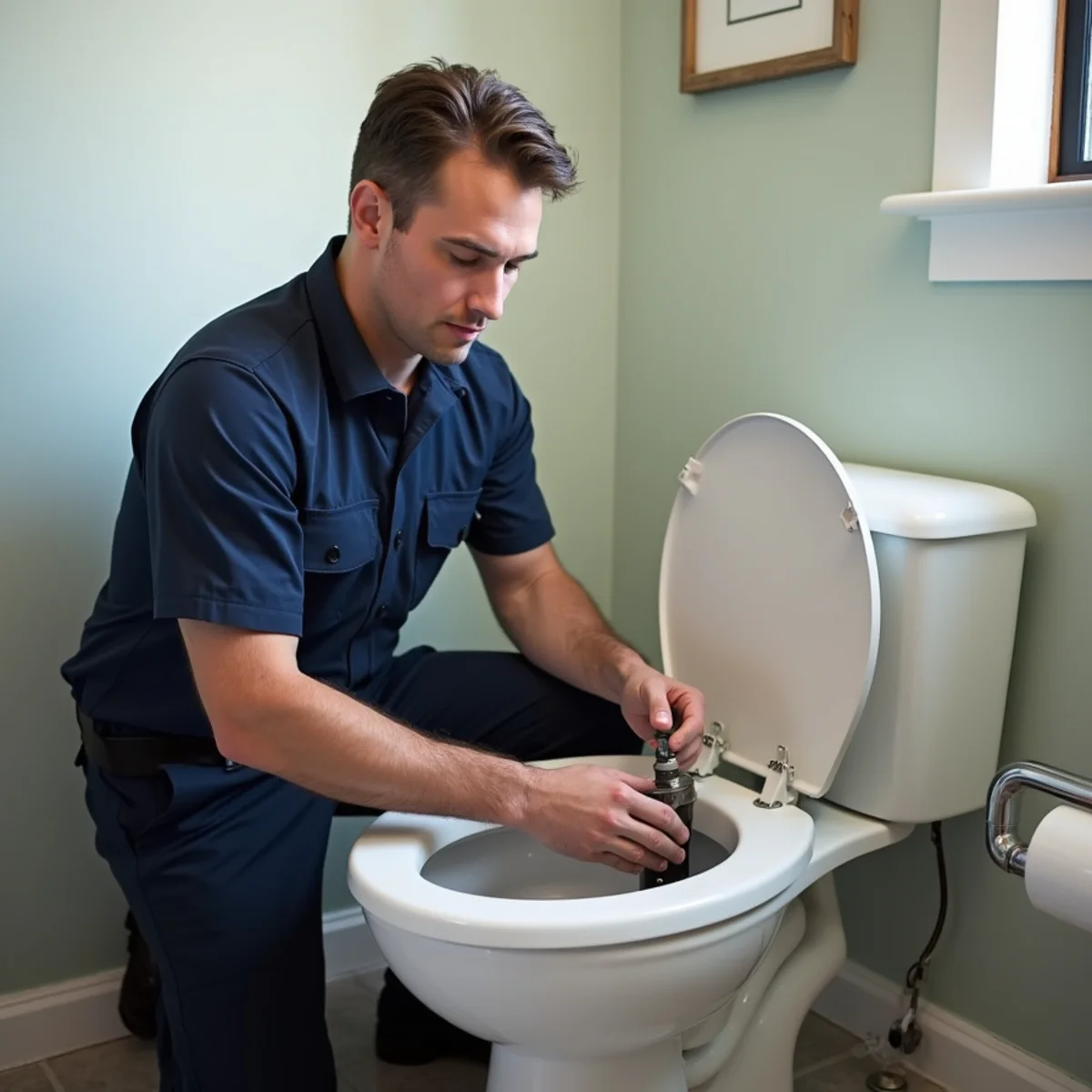
We identify the failed part or drain condition before replacing anything. Common service calls include:
- Running toilets, phantom flushes and weak flushes (flapper, chain, fill valve or mineral buildup)
- Clogs, backups, gurgling and sewer odor — including recurring clogs tied to the drain, vent or sewer line
- Leaks at the tank, supply line, shutoff valve or base
- Rocking toilets, cracked porcelain and unsafe movement
- Failed wax rings, damaged or loose flanges and subfloor concerns
- Corroded or stiff shutoff valves and worn supply lines
- Iron, manganese and mineral buildup restricting valves and water passages
Toilet Symptom Self-Assessment
Tap what your toilet is doing for a quick recommendation. This is guidance to help you act fast — not a diagnosis. When in doubt, call (831) 290-4327.
Select a symptom above and we’ll tell you whether to shut off the water, call now, or book a repair or replacement.
Ready to book toilet install & repair?
Same-day service — 60–90 minutes across Littleton & Arapahoe County.
What to Do in the First 30 Minutes of a Leak or Overflow
The first 30 minutes should focus on stopping water, preventing further use, containing damage, and documenting the condition. Turn the toilet’s shutoff valve clockwise until the water stops — do not force a corroded valve — then stop flushing and keep the toilet out of service. If water continues after the toilet shutoff is closed, close the home’s main water shutoff.
Photograph the toilet from all sides, the supply connection, the shutoff valve, the floor, baseboards, the nearby wall, and the ceiling below before you clean up. A short video can capture a running valve, spray, bubbling base, or phantom flush. That documentation gives you, your insurer, or a restoration professional a clear timeline if water spread beyond the bathroom.
- Turn the shutoff clockwise; close the main if water keeps coming
- Stop flushing and move rugs, paper and absorbent items away
- Keep electrical equipment away from wet areas
- Take photos before cleanup where it is safe to do so
- Do not use the toilet again until the leak or rocking base is inspected
Repair or Replace? A Practical Decision Path
A repair usually makes sense when the porcelain is sound, the toilet is stable, the flange is serviceable, and the problem is isolated to a flapper, fill valve, handle, supply line, shutoff valve, or minor clog. If the fixture does not rock after inspection and parts are available at a cost proportionate to replacement, we fix it.
Replacement is often the more responsible choice for cracked porcelain, repeated failures, obsolete or unavailable parts, severe mineral-related deterioration, poor water use, or a damaged flange that requires broader work. We confirm the rough-in before ordering anything and explain manufacturer warranty boundaries separately from workmanship and labor coverage — without promising a specific utility-bill reduction.
Toilet Installation: What a Proper Job Includes
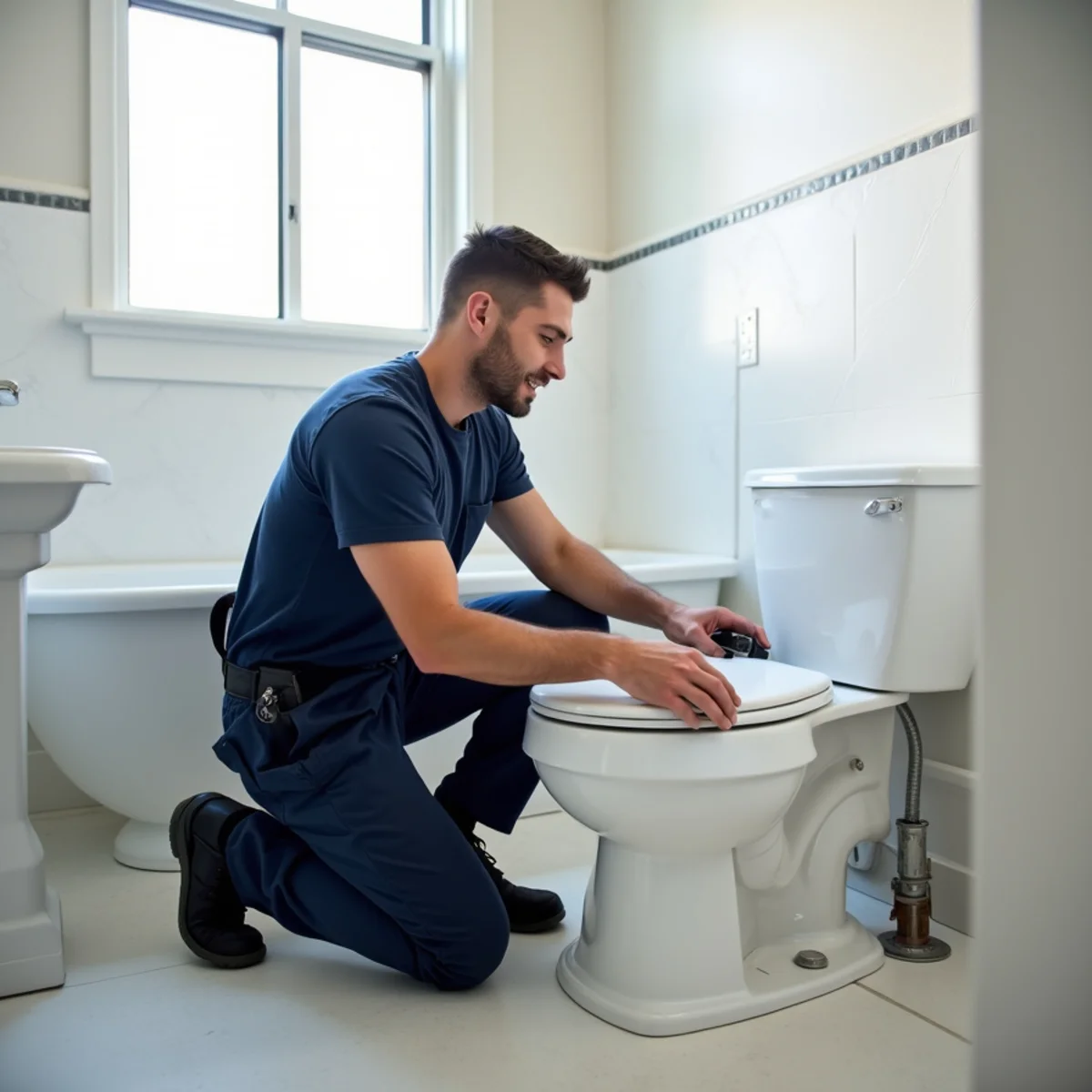
A proper installation begins with an inspection, not with opening a box. We confirm the rough-in, bathroom clearance, drain and flange condition, shutoff operation, supply connection, flooring and access — and explain any added work before proceeding.
From there we follow a documented sequence: remove and dispose of the old fixture, correct or document flange and flooring conditions, install a new wax ring or approved seal, set and level the toilet without overtightening the porcelain, connect the supply line, then fill and flush while checking the base, tank bolts, supply connection and drain behavior. Final payment follows leak testing, flush testing, cleanup, and delivery of written warranty terms.
- Rough-in measurement and flange inspection
- New wax ring or approved sealing method
- Level, secure and connect — no overtightened porcelain
- Flush + leak test, cleanup and haul-away
- Written warranty and clear payment milestones
Toilet Options for Littleton Homes
We install two-piece, one-piece, comfort-height, WaterSense, dual-flush, pressure-assisted, touchless and bidet-integrated models when the plumbing and room support the selection. A two-piece toilet allows practical component repair; a one-piece has fewer tank-to-bowl joints; a comfort-height model makes sitting and standing easier for many adults.
WaterSense toilets use 1.28 gallons per flush or less versus the 1.6-gallon federal standard, and the EPA notes toilets account for about 30% of average indoor household water use. We match the fixture to Littleton’s mineral-affected water, seasonal cold snaps, household size and accessibility needs — and confirm it fits your rough-in before ordering.
Not Sure What’s Wrong? Match Your Symptom to the Next Step
Use this quick self-assessment to decide what to do right now. It is guidance to help you limit damage — not a substitute for an on-site diagnosis. When in doubt, stop using the toilet and call us.
- Rising water or an active spray — stop flushing, turn the shutoff clockwise, and request urgent service.
- A toilet that rocks or leaks at its base — limit use until the flange, seal and subfloor are inspected.
- A periodic refill with no visible use (a phantom flush) — have the flapper and fill valve checked before water is wasted.
- Repeated clogs or weak flushing — inspect the fixture, drain path, venting and possible sewer-line causes.
- Sewer odor or bubbling — request a diagnosis rather than masking the smell with cleaner.
Insurance & Water Damage: Document It the Right Way
Repairing the toilet stops the source of a leak — it does not, by itself, dry out flooring, walls, ceilings, insulation or subflooring. If water spread beyond the bathroom, treat the plumbing repair, drying and any reconstruction as separate scopes, and ask whether a qualified, ANSI/IICRC S500-informed water-damage professional should assess the moisture.
Before you clean up, photograph the fixture, the failed part, the supply connection and shutoff, the floor and baseboards, the nearby wall and the ceiling below — a short video helps too. Save the plumbing invoice, our written diagnosis and replaced-part photos. Contact your insurance carrier promptly and ask what documentation they need; we will not promise a coverage outcome, but we will give you the records to support your claim.
- Note when the symptom began and photograph every affected surface
- Keep the plumbing invoice, written cause and warranty separate from any drying/restoration records
- Ask which work is plumbing, which is mitigation, and who authorizes added work
- Do not remove finished materials before documenting them
Why Littleton Homeowners Choose Us for Toilet Work
Toilet work looks simple until a corroded flange, a soft subfloor, or a rough-in that does not match the new bowl turns a swap into a project. Fifteen years of Littleton-area installs and repairs means we have seen those surprises before and price for them honestly, up front, instead of discovering them halfway through and padding the bill.
You get a licensed, insured Colorado plumber, a written line-item quote before we touch anything, and a 60–90 minute target response across Littleton and Arapahoe County for urgent leaks. We haul away and dispose of the old toilet, leak- and flush-test the finished job, and stand behind it with a workmanship warranty — one reason more than 480 local homeowners have trusted us with their plumbing.
- 15+ years installing and repairing toilets across the Denver metro
- Licensed & insured — verify us anytime through Colorado DORA
- 480+ satisfied Littleton-area customers and a workmanship warranty
- Up-front, line-item pricing with old-fixture haul-away included
- 60–90 minute target response for urgent leaks and overflows
What Affects Your Toilet Repair or Installation Price
Published planning benchmarks for the Littleton area report roughly $100–$250 for minor repairs, $150–$350 for wax-ring repair, $150–$300 for clog removal, and $359–$535 for a typical installation. These are estimates, not quotes — your written quote depends on:
- Whether the toilet fixture itself is included
- Wax ring or approved sealing method
- Flange repair, shutoff replacement and supply-line work
- Removal, haul-away and disposal
- Diagnostic time and after-hours or emergency terms
- Warranty coverage on parts and workmanship
Littleton Toilet Cost Estimator
Pick the job for a local planning range. These are researched estimates for the Littleton area — not a quote. Your written price depends on parts, access, flange work, disposal and any after-hours terms.
Typical Littleton range
$100–$250
Planning estimate · not a quote
- What’s usually included
- Common parts stocked on the truck and, in most cases, a one-visit repair.
- What can change it
- Which part failed, mineral buildup, and whether several components need replacing.
Ranges are drawn from published Littleton and Denver-metro benchmarks and are for planning only. We always give you a line-item written price before any work begins, and we haul away your old toilet.
Toilet Install & Repair Across the Littleton Area
We provide toilet installation & repair throughout Littleton, Arapahoe County and the surrounding Denver metro, including: