A hidden leak is one of the most damaging problems a home can have, precisely because you cannot see it. Water can seep behind walls, under floors, or beneath a slab for weeks or months, quietly rotting framing and feeding mold before anyone notices.
The sooner you catch it, the less it costs, and there are real warning signs if you know what to look for. Here is how to tell whether you have a hidden water leak and what to do about it.
Watch your water bill
One of the clearest early signs of a hidden leak is a water bill that climbs for no obvious reason. If your usage jumps while your habits have not changed, water is going somewhere you cannot see.
Compare your bill to the same month last year rather than the previous month, since seasonal use varies. A steady, unexplained increase is worth investigating before it grows into visible damage.
The meter test
You can check for a leak yourself with a simple meter test. It takes about an hour and needs no tools, and it confirms whether water is moving through your system when everything should be off.
- Turn off every water fixture and appliance in and around the home.
- Locate your water meter and note the reading or the position of the leak indicator.
- Wait one to two hours without using any water.
- Check the meter again; if the reading changed, you likely have a leak.
Signs in your walls, floors, and ceilings
Hidden leaks eventually leave visible clues on the surfaces around them. Learning to spot these early can save thousands in repairs.
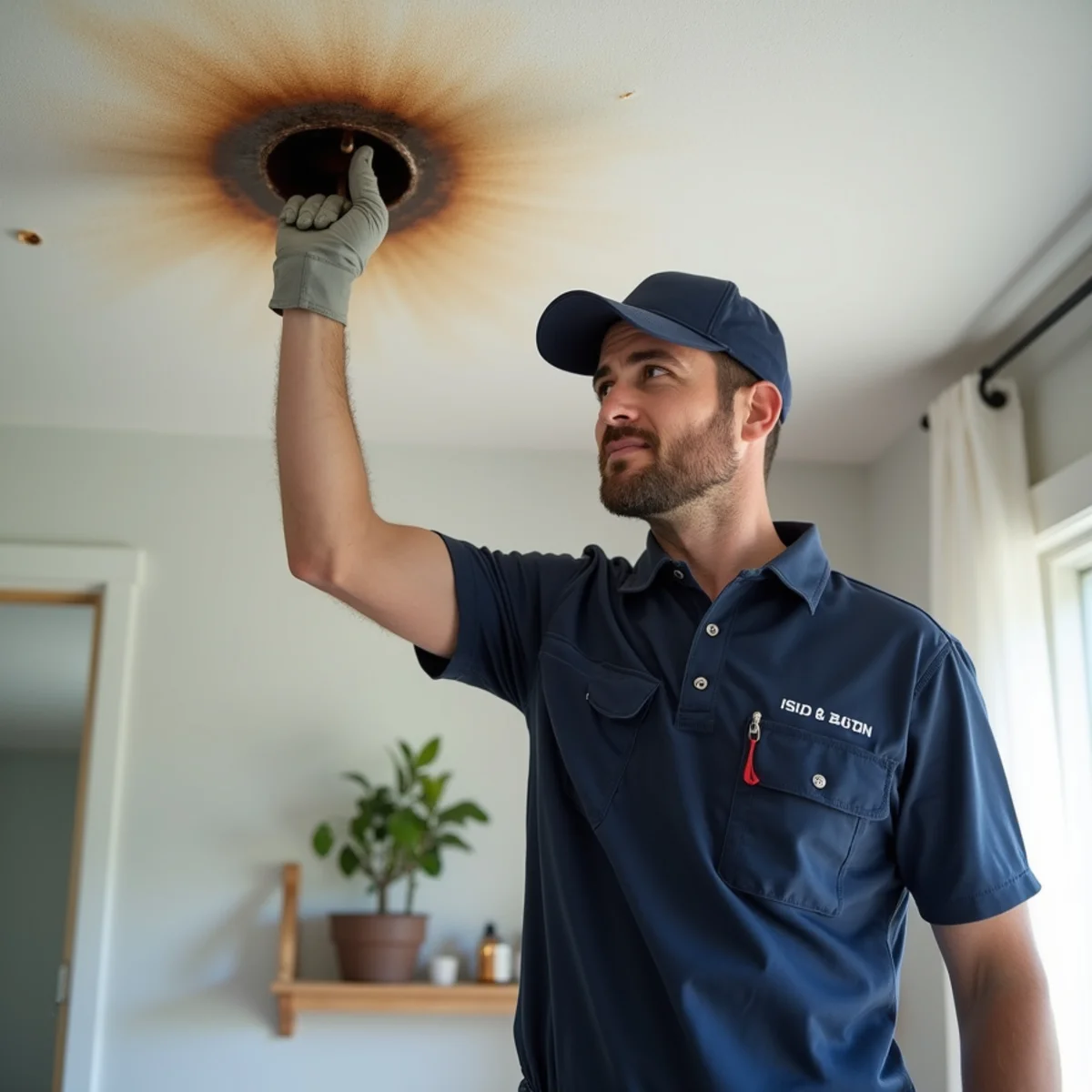
- Water stains, discoloration, or bubbling paint on walls or ceilings.
- Warped, buckled, or soft spots in flooring.
- A musty, earthy smell that will not go away.
- Visible mold or mildew, especially in corners or low areas.
- Peeling wallpaper or a section of wall that feels damp.
Sounds, smells, and other clues
Not every sign is visual. Your other senses can catch a leak too, sometimes before any stain appears.
Listen for the sound of running or dripping water when no fixtures are on, particularly at night when the house is quiet. A hissing behind a wall can indicate a pressurized pipe leak. A persistent damp or moldy odor with no visible source is another strong clue that moisture is trapped somewhere.
Why hidden leaks are worse in Colorado
Local conditions can make hidden leaks especially damaging along the Front Range. Expansive clay soils around Littleton and Greenwood Village swell and shrink with moisture, which can stress buried and slab pipes and create the very leaks that then feed more soil movement.
Freeze-thaw cycles add another risk, as water in a compromised pipe expands when it freezes and can widen a small leak into a large one. Because our climate is dry, a slow indoor leak may not be obvious from humidity alone, so the other signs matter even more.
Why prompt detection protects you
Beyond the structural damage, catching a leak early protects your finances in a second way. Insurance policies often cover sudden, accidental damage but exclude gradual leaks the homeowner should have caught, so a leak left running for months may not be covered.
Finding and fixing a leak quickly limits the damage and strengthens your position if you do need to file a claim. It is one of the best examples of a small, timely repair preventing a large, expensive one.
When to call for leak detection
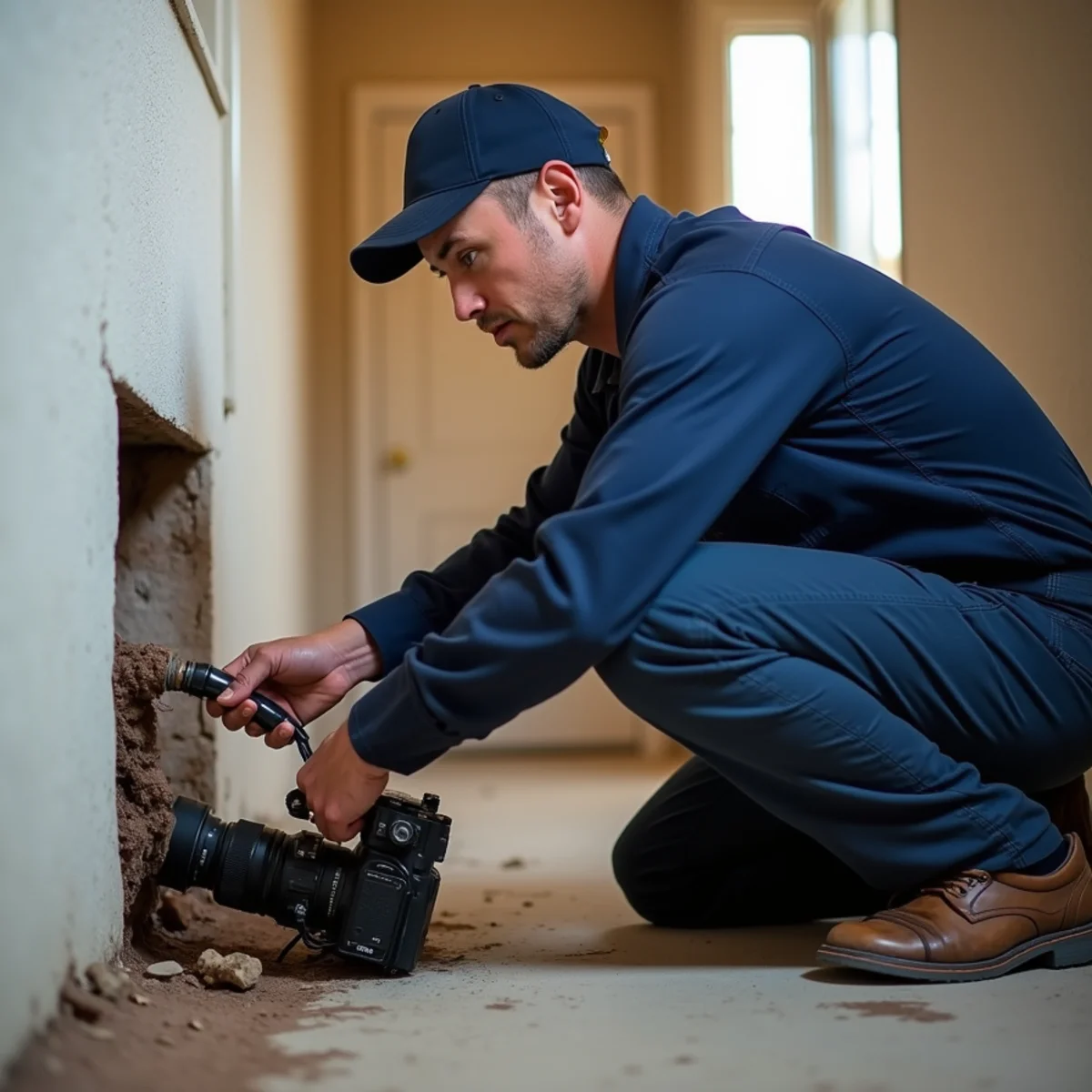
If your meter test shows movement, your bill has climbed, or you see any of the warning signs, professional leak detection can pinpoint the source without tearing open walls. We use specialized equipment to find leaks behind surfaces and under slabs precisely.
For homes in Littleton and Greenwood Village, our leak detection and repair service locates the problem and fixes it before it spreads. Call Littleton Plumbing Pros at (831) 290-4327, and stop a hidden leak before it becomes a hidden disaster.
Where hidden leaks most often start
Knowing the usual suspects makes a self-check far more productive. Hidden leaks tend to begin at connections and fixtures that see constant pressure or repeated movement, not in the middle of a straight pipe run. Toilets are the single most common culprit, quietly leaking at the flapper or the base, while supply lines to sinks, dishwashers, and washing machines fail at their fittings and hoses.
Others hide further out of sight. Water heater connections weep as they corrode, tubs and showers leak where the drain meets the trap, and outdoor spigots crack from Front Range freeze-thaw and drip inside the wall. Under-slab supply lines are the hardest to spot and often show up only as a warm spot on the floor or an unexplained jump in your bill.
- Toilets, at the flapper or the wax-ring base.
- Supply-line fittings under sinks and behind appliances.
- Washing machine and dishwasher hoses.
- Water heater connections as they corrode.
- Tub and shower drain-to-trap joints.
- Frost-damaged outdoor spigots that drip inside the wall.
What to do the moment you suspect a leak
Acting quickly limits both damage and cost. If your meter test showed movement or a stain has appeared, start by shutting off the fixture nearest the sign, or the main valve if you cannot isolate it, to stop feeding the leak. Move belongings away from any damp area and set a fan moving air, since drying fast is what keeps a small leak from becoming a mold problem.
Resist the urge to open a wall yourself chasing the sound, because a stain can appear feet away from the actual source and guesswork multiplies the repair. Note when the signs started and take a few photos, then call for professional leak detection. Acoustic and thermal tools pinpoint the source behind the surface, so we open only what we must and fix the real leak once.