A slow drain is easy to ignore until it becomes a standing pool of water you cannot escape. Most clogs build up gradually, giving you plenty of warning if you know what to look for, and many can be cleared without harsh chemicals.
This guide covers what causes drains to clog in Littleton homes, the safe fixes worth trying, the methods to avoid, and the point at which a slow drain is really a symptom of a bigger problem in your sewer line.
What actually clogs your drains
Different drains clog for different reasons, and knowing the likely cause guides the fix. Kitchen and bathroom drains each have their own usual offenders.
- Kitchen sinks: grease, cooking oil, food scraps, and coffee grounds that harden in the pipe.
- Bathroom sinks and tubs: hair combined with soap scum forms dense clogs.
- Toilets: too much paper, wipes labeled flushable, and foreign objects.
- All drains: mineral scale from hard water narrowing the pipe over time.
Safe methods to try first
Before reaching for anything harsh, several gentle methods clear the majority of everyday clogs. Start simple and work up.
For a slow bathroom drain, remove and clean the stopper, which is usually wrapped in hair. For kitchen sinks, a good plunger or a plumber's snake often does the job. A drain the whole household uses may just need the trap cleaned out.
- Pour a pot of hot (not boiling) water down a greasy kitchen drain.
- Use a bent wire or hair-catch tool to pull hair from bathroom drains.
- Plunge with a cup plunger, sealing the overflow opening first.
- Try baking soda followed by vinegar, then flush with hot water.
- Clean out the P-trap under the sink for stubborn blockages.
Why to avoid chemical drain cleaners
It is tempting to pour in a bottle of chemical cleaner, but these products often do more harm than good. They generate heat that can soften and damage pipes, especially older ones, and they rarely clear a fully blocked drain.
Worse, if the chemical does not clear the clog, it sits in your pipe as a hazard for whoever works on it next, including a plumber. Mechanical methods like plunging and snaking are safer and more reliable.
Preventing clogs before they start
The easiest clog to deal with is the one that never forms. A few simple habits keep your drains flowing and reduce the need for repairs.
- Never pour grease or oil down the drain; let it cool and throw it away.
- Use drain screens to catch hair and food scraps.
- Run hot water for a few seconds after each use.
- Only flush toilet paper and human waste, never wipes.
- Schedule periodic professional drain cleaning as maintenance.
When a slow drain is a bigger problem
If a single fixture drains slowly, the clog is usually local. But when several drains slow down at once, or you hear gurgling and smell odors, the problem may be in the main sewer line rather than the individual drain.
In older Littleton neighborhoods and in areas with mature trees, root intrusion into the sewer line is a common cause of repeated whole-house slowdowns. This is a job for professional equipment, not a bottle of cleaner.
- Multiple drains slow or back up at the same time.
- Gurgling sounds from drains when you use water elsewhere.
- Sewage odors near floor drains.
- Water backing up into a lower fixture when you flush.
How professional drain cleaning works
When home methods fail, professional drain cleaning goes far beyond what a plunger can reach. A motorized auger or hydro jetting can clear tough blockages and scour the pipe walls clean of grease and scale buildup.
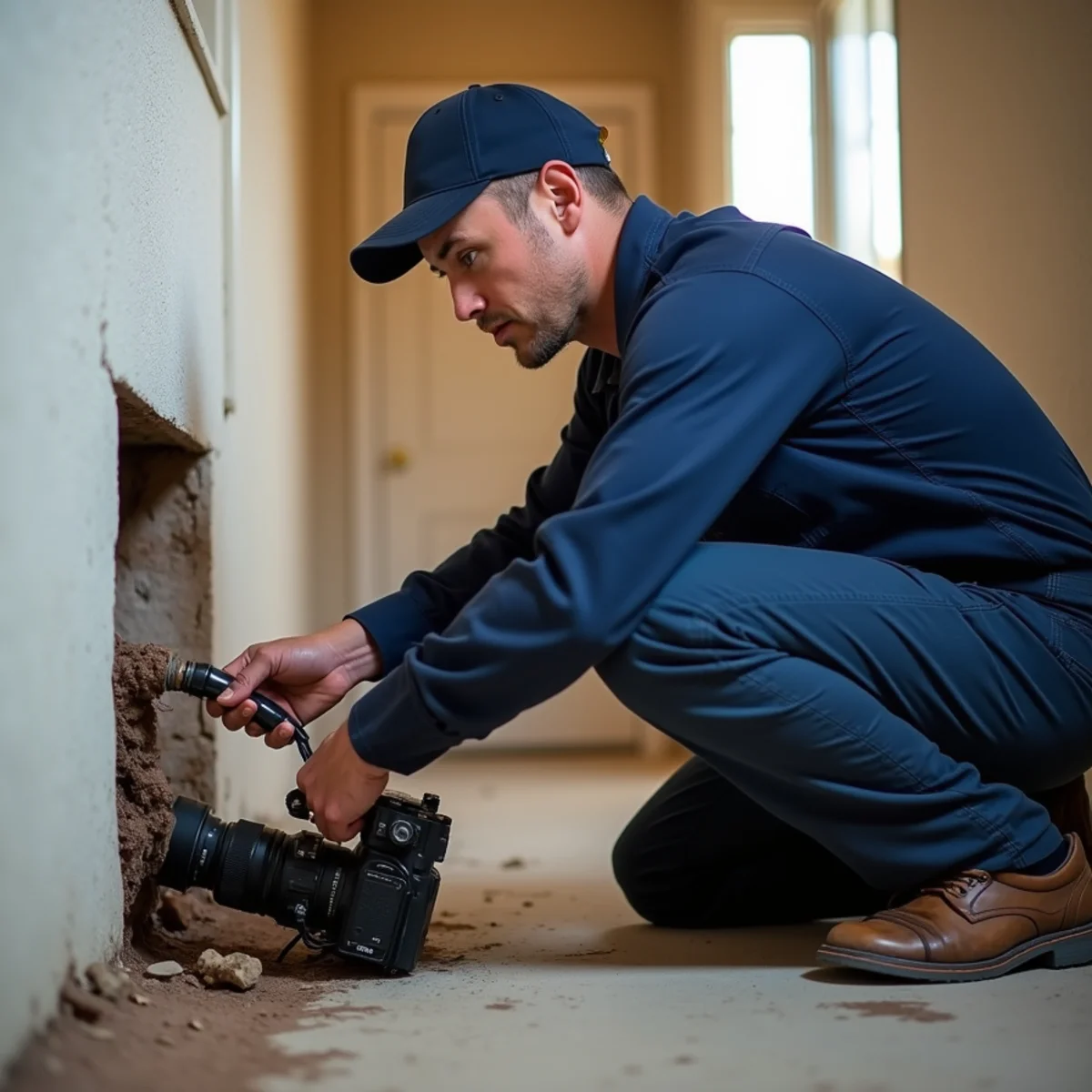
For recurring clogs, a camera inspection reveals exactly what is happening inside the line, whether it is roots, a belly in the pipe, or a partial collapse. That diagnosis is the only way to know whether cleaning is enough or the line needs repair.
Call for stubborn clogs
If a drain will not clear, keeps clogging, or you suspect the sewer line, do not keep fighting it. Repeated forcing or chemicals can damage pipes and make the eventual repair harder.
We serve Littleton and nearby Centennial with fast, thorough drain cleaning and sewer line repair. Call Littleton Plumbing Pros at (831) 290-4327, and we will clear the clog and tell you honestly whether there is a deeper issue to address.
Snake or hydro jet: which clears your clog
When home methods fail, the two professional options are a motorized snake and hydro jetting, and they solve different problems. A snake, or auger, pushes a rotating cable through the pipe to punch through or hook out a solid blockage like a hair mass or a small root ball. It is quick, effective on a discrete clog, and the right first tool for most single-fixture backups.
Hydro jetting is a deeper clean. It uses high-pressure water to scour the full inside of the pipe, stripping away grease, sludge, and scale that a snake only bores a hole through. For recurring clogs, kitchen lines coated in grease, or a main narrowed by buildup, jetting restores the pipe's full diameter. We camera-inspect first, since jetting is not right for a fragile or collapsed line.
How to unclog a garbage disposal safely
A kitchen sink that backs up on the disposal side often has a jammed or clogged unit rather than a deep clog. Never put your hand down a disposal. First cut the power at the switch and the breaker, then look and reach in with tongs to remove any visible obstruction. Most disposals also have a hex slot on the bottom you can turn with the supplied wrench to free a stuck flywheel.
If it hums but will not spin, that jam is the usual cause; if it is silent, press the small red reset button on the underside. Once it runs freely, flush with plenty of cold water. To avoid the next jam, keep grease, fibrous peels, coffee grounds, and bones out of the disposal, and run cold water before, during, and after every use.
- Cut power at the switch and the breaker before reaching in.
- Remove visible obstructions with tongs, never your hand.
- Turn the hex slot underneath to free a stuck flywheel.
- Press the red reset button if the unit is silent.
- Keep grease, bones, and fibrous peels out to prevent jams.