For a property manager, plumbing is rarely top of mind until it becomes an emergency, and by then it is a tenant complaint, an after-hours service call, and often water damage spread across multiple units. The properties that avoid this cycle are not lucky; they run on a preventive maintenance program that catches small issues before they escalate.
This guide lays out how to think about plumbing maintenance across a portfolio, whether you manage a multi-unit residential building, a retail center, or a mixed-use property in Littleton or nearby Greenwood Village. The goal is simple: fewer emergencies, lower total cost, and happier tenants.
Why preventive maintenance pays for itself
Reactive plumbing, waiting until something breaks, is the most expensive way to run a property. Emergency calls carry premium rates, water damage compounds fast, and a burst line in one unit can affect several others below it. Every one of those events also erodes tenant satisfaction and can create liability.
A preventive program converts that unpredictable expense into scheduled, budgetable work. Inspecting, cleaning, and servicing plumbing on a routine basis catches the slow leak, the corroding water heater, and the marginally clogged main before any of them turn into a 2 a.m. disaster. Over a portfolio, that shift saves real money and a great deal of stress.
Build a maintenance calendar around the seasons
The most effective programs are scheduled rather than ad hoc. A seasonal calendar makes sure nothing important slips, and it lets you bundle work efficiently rather than dispatching for one problem at a time.
Tailor the details to your properties, but a Front Range calendar generally follows this rhythm.
- Fall: winterize exterior faucets and irrigation, insulate exposed pipes, service water heaters before peak demand
- Winter: monitor for freeze risk in vacant units and unheated areas, confirm shutoff access
- Spring: check sump pumps before snowmelt, inspect for leaks that surfaced over winter
- Summer: schedule drain cleaning and camera inspections, address deferred repairs
The systems that need routine attention
Not every fixture needs the same level of oversight. Focus maintenance dollars on the systems whose failure causes the most disruption and expense, and on the components that wear predictably.
In multi-tenant buildings, shared systems deserve particular attention because their failure affects many occupants at once and often falls squarely on the owner rather than the tenant.
- Water heaters, including flushing in hard-water areas and monitoring age
- Main and branch drain lines, cleaned before they back up
- Shared sewer laterals, inspected by camera to catch root intrusion and blockages early
- Sump pumps and backup systems in below-grade spaces
- Backflow prevention assemblies, which commonly require annual testing
- Fixtures and shutoff valves in common areas
Drain cleaning: the highest-value routine service
For most commercial and multi-unit properties, routine drain cleaning delivers the best return of any single maintenance task. Grease, waste, and buildup accumulate steadily in kitchen and shared lines, and a main-line backup is one of the most disruptive and unsanitary failures a property can suffer.
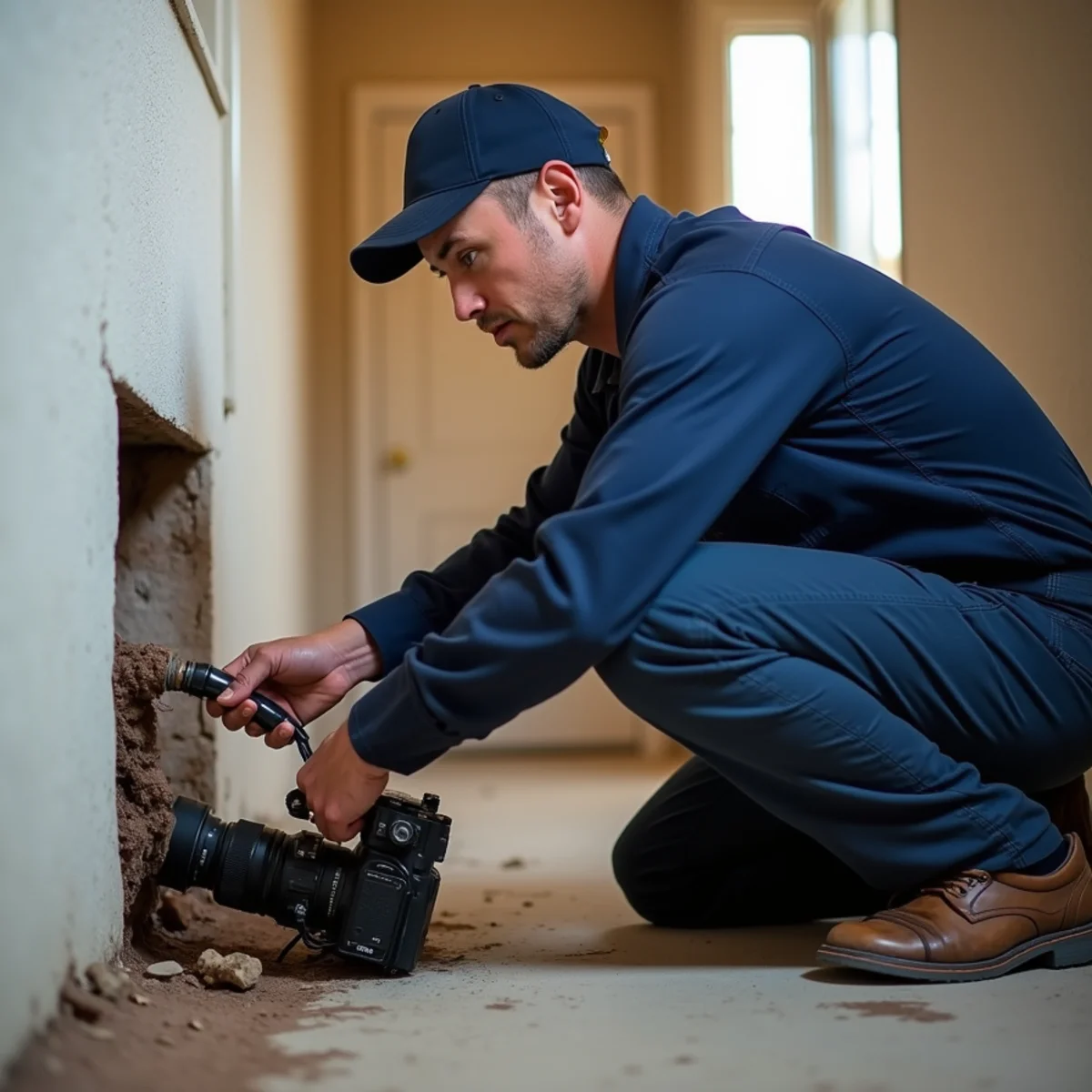
Scheduling periodic drain cleaning, especially for restaurants, common kitchens, and older buildings, keeps lines flowing and gives a plumber a regular chance to spot developing problems. Pairing it with a camera inspection turns cleaning into diagnosis: you learn the actual condition of your lines instead of guessing.
Documentation, access, and response planning
A maintenance program is only as good as the information behind it. Keep records of every property's shutoff locations, water heater ages, past repairs, and inspection findings, so decisions are based on history rather than memory. When something does fail, that documentation speeds the response and helps you budget replacements before they become emergencies.
Just as important is ensuring your maintenance provider has reliable access and knows your properties. A plumber who already understands your building's layout and shutoffs responds faster and more effectively than one seeing it for the first time during a crisis, and that familiarity often means the difference between a contained problem and one that spreads across units while someone hunts for the right valve.
Documentation also protects you in disputes and turnover. When a unit changes hands or a tenant reports damage, a clear record of what was inspected and repaired, and when, establishes that the property was maintained responsibly. That paper trail is worth keeping current even in a year when nothing goes wrong.
- Maintain records of shutoff locations and equipment ages per property
- Track inspection findings and repair history to forecast replacements
- Ensure clear access to utility and mechanical areas
- Define an after-hours emergency escalation path in advance
Partner with a plumber who understands commercial work
Commercial and multi-unit plumbing is not just residential work at a larger scale. Code requirements, backflow testing obligations, tenant coordination, and the pressure to minimize downtime all demand a plumber experienced with commercial properties. A good partner offers priority response, understands your reporting needs, and helps you plan capital repairs rather than only reacting.
Our team works with property managers across Littleton and Greenwood Village to build maintenance programs that fit each portfolio, from routine drain cleaning to backflow certification and water heater replacement planning. If you are ready to trade emergency scrambles for a predictable program, call us at (831) 290-4327 to discuss your properties.
Reduce tenant-caused damage before it happens
A large share of the plumbing calls at multi-tenant properties trace back to what goes down a drain or toilet, and that is the cheapest category of failure to prevent. Wipes, grease, and foreign objects cause most main-line backups, yet tenants rarely know the building's plumbing cannot handle them. A short move-in orientation and a simple posted reminder in each unit cost nothing and head off a disproportionate number of after-hours calls across a year.
Lease terms and small fixtures reinforce the message. Spelling out that only waste and toilet paper belong in the toilet, and that a tenant may bear the cost of avoidable clogs, quietly changes behavior. Providing drain strainers in kitchens and tubs, and making it easy to report a slow drain early, catches problems while they are still minor. Prevention at the tenant level lowers your emergency spend across the whole portfolio without adding a maintenance line item.
- Orient tenants at move-in on what must never go down the drain or toilet
- Post a simple reminder about wipes, grease, and foreign objects
- Use lease language assigning cost for avoidable clogs
- Provide drain strainers in kitchen sinks and tubs
- Make it easy to report slow drains before they back up
Budgeting for capital plumbing replacements
Preventive maintenance keeps the lights on, but the systems in any building are aging on a predictable clock, and a smart manager budgets for that rather than being ambushed by it. Water heaters in particular fail on a schedule you can roughly forecast from their age, and hard water shortens it. Tracking the install date of every heater across a portfolio lets you plan replacements as scheduled line items instead of emergency dispatches at premium rates.
The same logic covers sewer laterals, aging galvanized risers, and backflow assemblies nearing the end of their service. Spreading these replacements across budget years, and doing them on your schedule during low-occupancy windows, costs far less than a failure that displaces tenants. Inexpensive leak sensors and sub-metering can flag a slow problem early, giving you the lead time to fix it deliberately rather than react to a flooded unit at midnight.