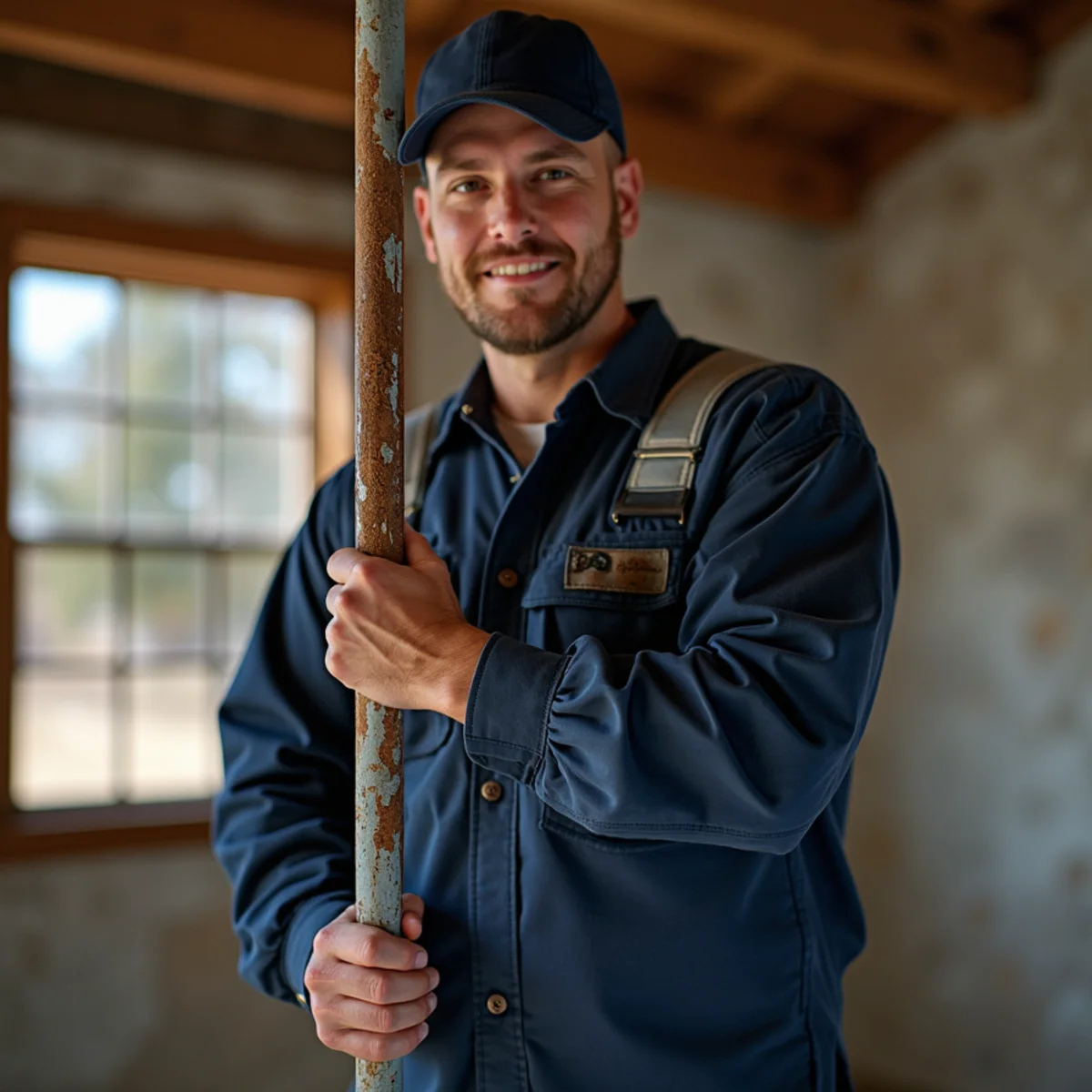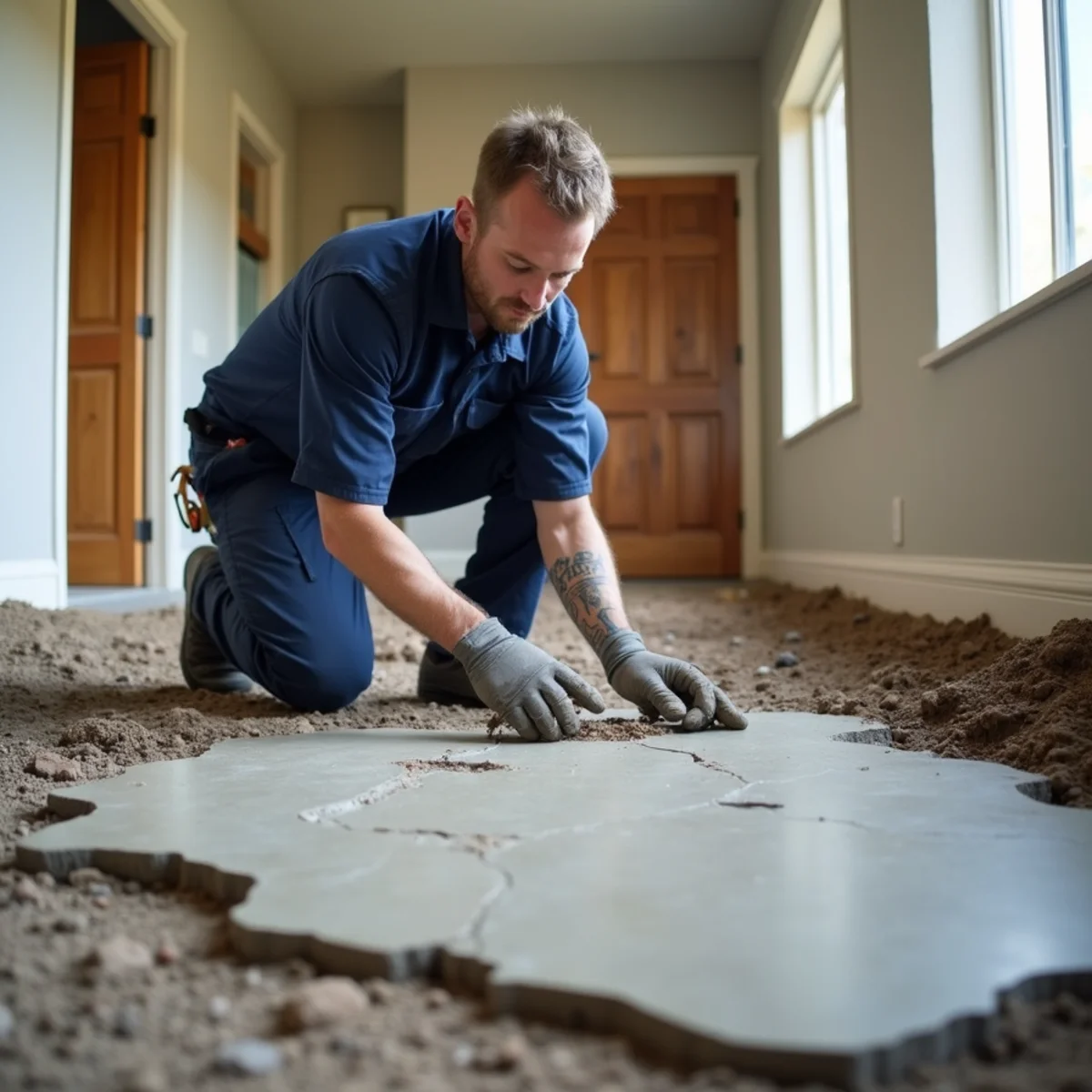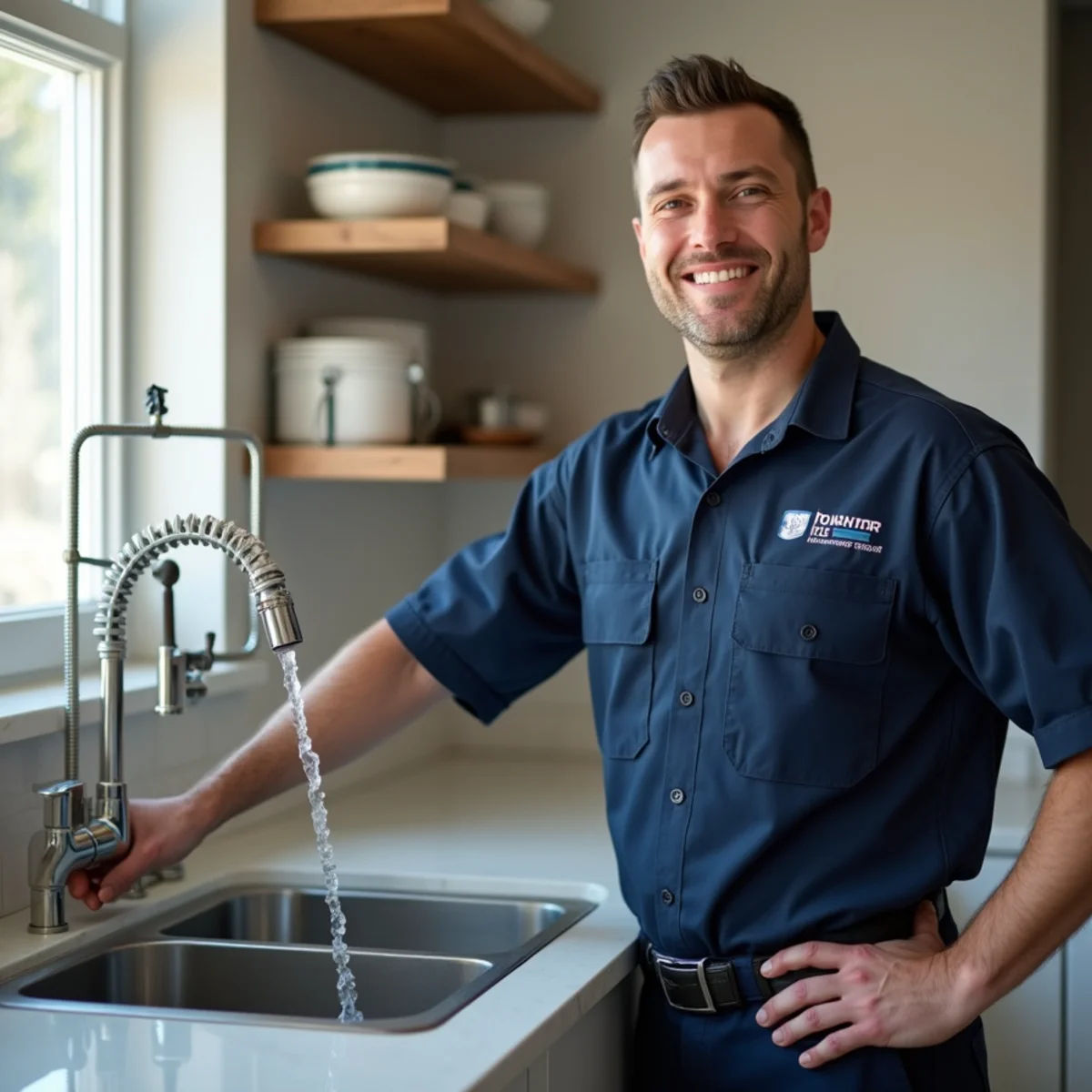
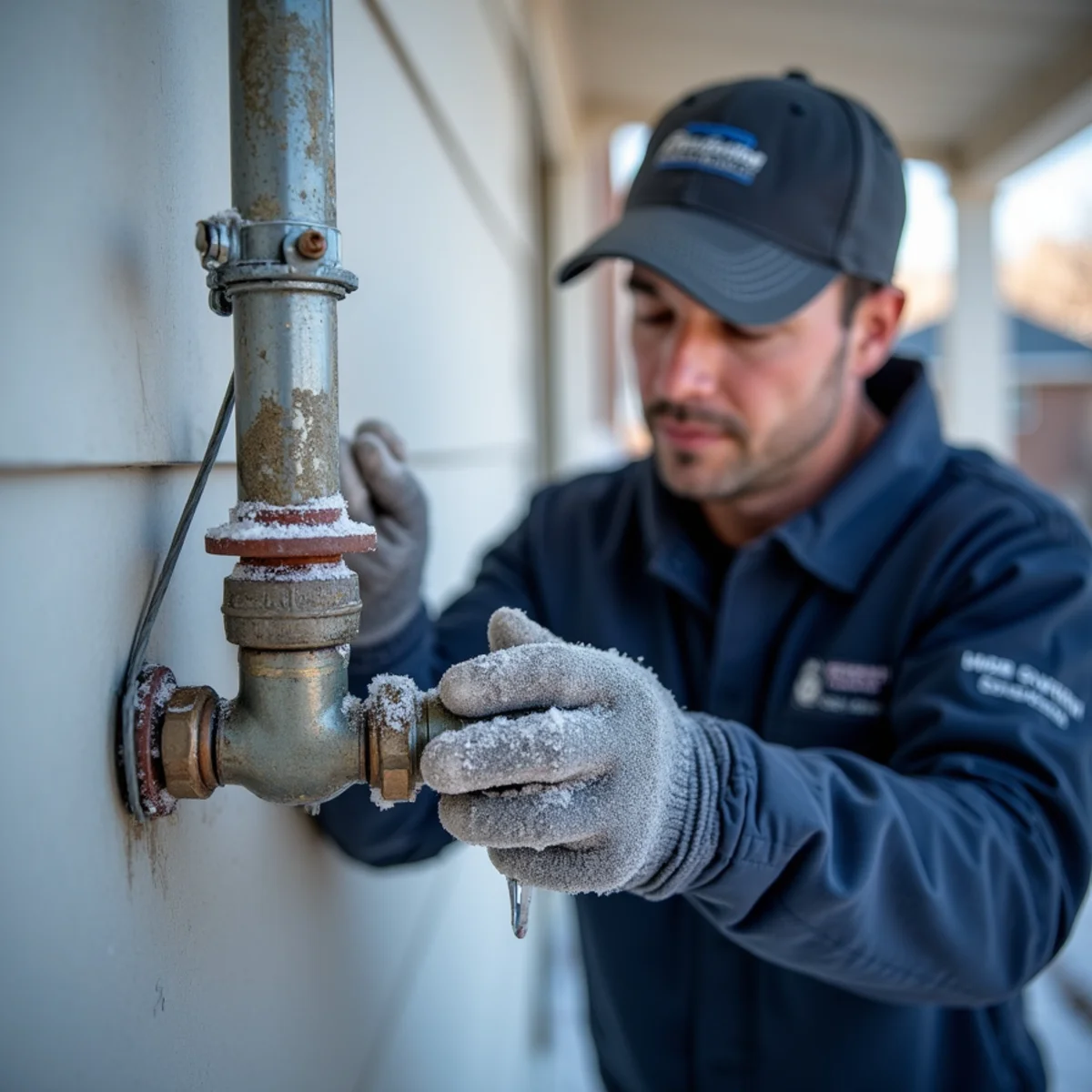
Front Range winters are deceptively hard on plumbing. A February afternoon can hit the fifties in Littleton and then plunge below freezing overnight, and that daily swing, the freeze-thaw cycle, is precisely the condition that bursts pipes. Water expands as it freezes, and a plug of ice in the wrong section of pipe can build enough pressure to split copper or crack a fitting.
The good news is that frozen-pipe damage is largely preventable. A handful of low-cost steps in the fall, plus knowing what to do the moment a pipe freezes, can save you from a flooded basement and an expensive emergency. This guide covers both.
Why freeze-thaw is worse than steady cold
Regions with a constant deep freeze often have plumbing designed and buried for it. The Front Range is different. Our sunny, high-altitude days push temperatures up, then clear nights let them crash, so a pipe can partially thaw and refreeze repeatedly. Each cycle stresses the metal and any weak fitting.
The real danger is not always the ice itself but the pressure it creates. When ice forms and blocks a pipe, water trapped between the ice and a closed faucet has nowhere to go. Pressure climbs until the pipe fails, and the split often does not leak until everything thaws, sometimes days later when you are least expecting it.
Which pipes freeze first in Colorado homes
Not all plumbing is equally exposed. The pipes that freeze are almost always the ones with the least protection from the home's heated interior. Knowing your home's weak points tells you exactly where to focus.
- Outdoor hose bibs and any pipe feeding an exterior faucet
- Pipes in unheated crawlspaces, garages, and attics
- Plumbing run through exterior walls with thin insulation
- Lines in unfinished basement rim joists near vents
- Sprinkler and irrigation lines that were not blown out
Fall prevention steps that actually work
The most effective protection happens before the first hard freeze. These steps are inexpensive and take an afternoon, and they address the vulnerable spots listed above directly.
Start outside, then work your way in. Disconnecting hoses is the single most overlooked step, and a hose left attached can trap water in the bib and freeze back into the wall.
- Disconnect and drain all garden hoses before the first freeze
- Shut off and drain exterior faucet supply lines where you have interior shutoffs
- Add foam pipe insulation or heat tape to exposed pipes in crawlspaces and garages
- Seal air leaks near pipes in rim joists and exterior walls
- Have your sprinkler system professionally blown out in fall
What to do during a hard freeze
When a severe cold snap is forecast, a few overnight habits keep water moving and buy you a margin of safety. Moving water is much harder to freeze than still water, which is why a slow drip is such a reliable trick.
If you are leaving town during winter, never turn the heat completely off. Set the thermostat no lower than the mid-fifties, and consider shutting off the main and draining the system if the house will sit empty through a cold stretch.
- Let a faucet on an exterior wall drip slowly overnight
- Open cabinet doors under sinks to let warm air reach the pipes
- Keep the garage door closed if water lines run through it
- Maintain a steady thermostat setting day and night
Know your main shutoff before you need it
The most important thing you can do in a freeze emergency is stop the water fast, and that means knowing where your main shutoff valve is before a pipe bursts. In many Littleton homes it is on an interior wall near the front of the house, often in a basement or utility area where the line enters. Find it now, make sure it turns, and show everyone in the household.
If a pipe does burst, shut the main immediately, open faucets to relieve pressure, and call for help. Every minute the water stays on adds to the damage, so a valve you can find and operate in the dark is worth more than any amount of after-the-fact cleanup.
Thawing a frozen pipe safely
If you turn on a faucet and only a trickle comes out during cold weather, you may have a pipe that is frozen but not yet burst. You can often thaw it before it fails. Keep the faucet open so water flows as the ice melts, and apply gentle heat to the frozen section with a hair dryer or a space heater kept a safe distance away.
Never use an open flame, a blowtorch, or any device that could scorch the pipe or start a fire. Work patiently from the open faucet back toward the blockage so meltwater has an escape path, and check nearby pipes too, since one frozen line often means others in the same cold zone are close behind. If you cannot locate the frozen section, cannot reach it, or the pipe has already split, that is the moment to call a professional. Our team serves Littleton and nearby communities like Ken Caryl around the clock, because freeze emergencies rarely wait for business hours.
What it actually costs when a pipe bursts
A frozen pipe that splits rarely stops at the pipe. The repair itself, opening the wall, cutting out the failed section, and soldering in new copper or joining PEX, is often the smallest line on the bill. The water that escaped while everyone slept is what runs up the cost, soaking drywall, insulation, flooring, and anything stored below. A single overnight burst can flood a finished basement long before you wake up to find it.
That is why prevention pays so heavily here. Foam insulation and a fall hose disconnect cost almost nothing against the drying, demolition, and restoration a burst triggers. Homeowners insurance may cover sudden freeze damage, but often not if the house was left unheated, so read your policy before winter. When a pipe does let go, shutting the main fast is the single biggest factor in how large that final number grows.
Freeze risks people miss in newer Littleton homes
It is easy to assume freeze damage only threatens old houses, but newer construction has its own blind spots. Bonus rooms built over an unheated garage, kitchen islands plumbed through a slab, and finished basements with supply lines run tight against the rim joist all create cold pockets the rest of the heated house never reaches. A remodel that relocated plumbing into an exterior wall can quietly add risk in a home that otherwise feels perfectly modern.
Outdoor kitchens, pot fillers, and exterior tankless units add lines that most homeowners forget to winterize. The pattern is always the same: water sitting in a pipe the furnace cannot warm. Walking your home once each fall to find these spots, rather than assuming a modern build is immune, is what keeps a surprise off your February to-do list and out of your insurance claims.
- Bonus or media rooms built over an unheated garage
- Kitchen islands and pot fillers plumbed through a slab or exterior wall
- Basement supply lines run tight against a cold rim joist
- Plumbing relocated into an exterior wall during a remodel
- Outdoor kitchens and exterior tankless units left charged over winter