
The older neighborhoods of Littleton and neighboring Englewood are full of homes with character, mature trees, and, quite often, plumbing that predates modern materials. If your house was built before roughly 1960, there is a real chance its original water supply lines are galvanized steel, and those pipes have a well-documented failure mode that catches many homeowners by surprise.
Galvanized pipe corrodes from the inside out. For decades it can look fine on the outside while its interior slowly closes with rust and mineral scale. Understanding what is happening inside the walls helps you decide whether it is time to plan a repipe before a small annoyance becomes a burst-pipe emergency.
What galvanized pipe is and why it was used
Galvanized pipe is steel coated with a layer of zinc to resist corrosion. It was the standard for residential water supply lines for much of the early and mid twentieth century and was a genuine improvement over bare iron at the time. Many homes built before 1960 were plumbed with it throughout.
The zinc coating buys time, but it does not last forever. Once the interior zinc wears away, the exposed steel begins to rust, and hard water accelerates the mineral scaling that builds alongside the rust. The combination gradually chokes the pipe.
How corrosion restricts flow and stains water
As rust and scale accumulate on the inside of a galvanized pipe, the usable diameter shrinks. A pipe that started with a full bore can narrow until only a fraction of the original opening remains, which is why weak water pressure is one of the most common complaints in homes with aging galvanized supply lines.
The corrosion also affects water quality. Flakes of rust break loose and can give you discolored, brownish water, especially first thing in the morning or after the water has sat. You may see staining in sinks and tubs. None of this happens overnight, which is exactly why so many homeowners tolerate declining pressure for years without realizing why.
- Low water pressure that has gradually worsened over the years
- Brown or rusty water, particularly after periods of no use
- Uneven pressure, where one fixture runs far weaker than others
- Visible rust or corrosion on exposed pipes in the basement
- Recurring pinhole leaks in older steel lines
Do not forget polybutylene
Galvanized steel is not the only problem material lurking in older homes. Houses plumbed or re-plumbed in the 1970s and 1980s sometimes have polybutylene, a gray plastic pipe that was popular for a time and later found to be prone to failure, often at its fittings. It can fail with little warning.
If your home has either galvanized steel or polybutylene, it is worth having the system evaluated. Both materials are effectively obsolete for supply lines, and knowing which you have shapes the plan for replacement and helps you prioritize. It can also matter for insurance and for a future sale, since buyers and inspectors increasingly flag both materials.
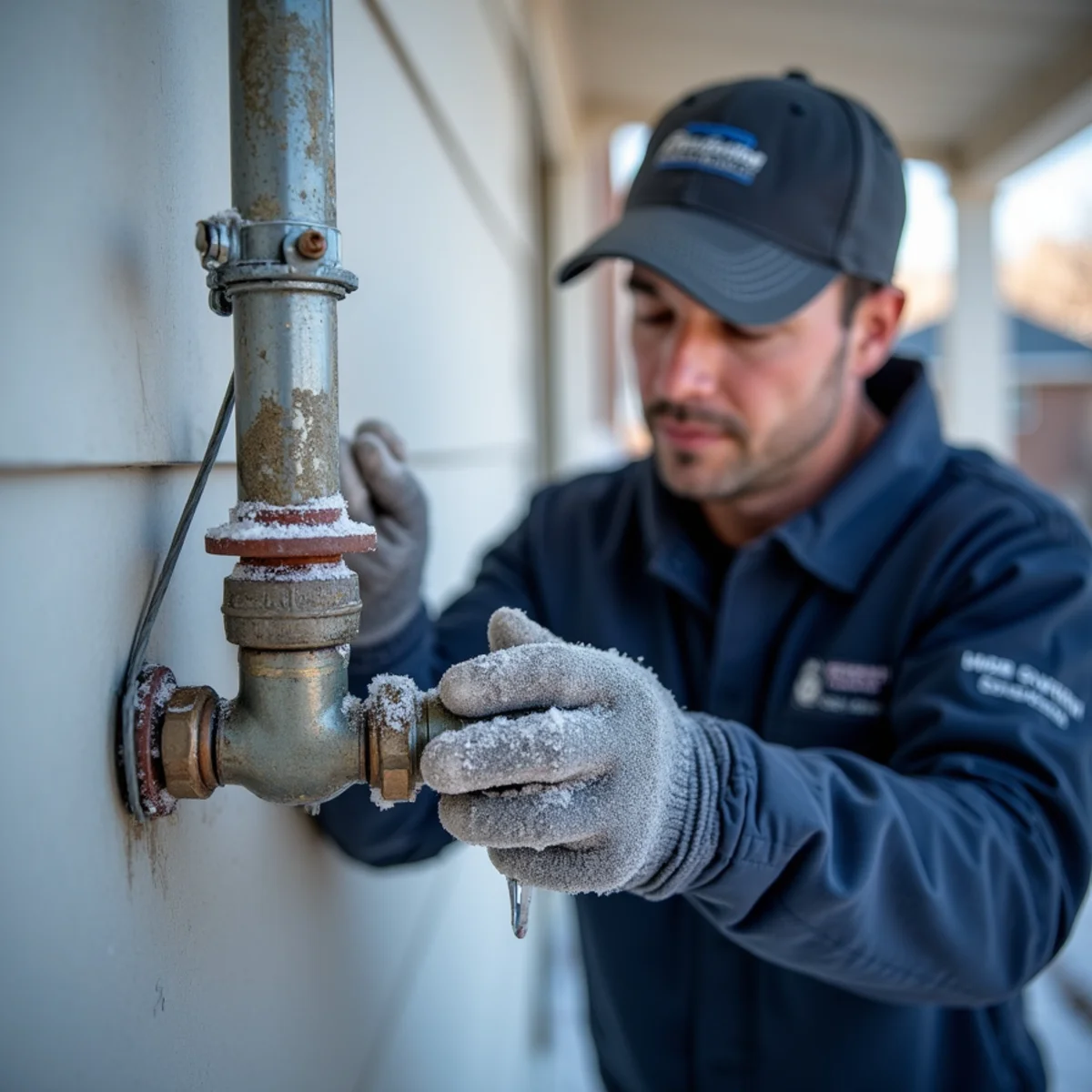
You can often make an educated guess yourself. Galvanized pipe is dull silver-gray and threaded, and a magnet will stick to it because it is steel. Polybutylene is a flat gray plastic, usually about half an inch to an inch across, joined with plastic or metal fittings. Spotting either at exposed runs near the water heater or in the basement is a good reason to book an inspection.
When to repair versus repipe
A single leaking section can sometimes be patched, but galvanized corrosion is systemic. When one section has rusted through, the rest of the same-vintage piping is usually not far behind, so spot repairs on old galvanized lines tend to become a game of chasing leaks around the house.
That is why whole-home or whole-section repiping is often the more sensible investment once corrosion is widespread. It restores full pressure everywhere at once, ends the recurring leaks, and gives you clean water. If only part of the system is failing, a partial repipe of the worst runs can be a reasonable middle path.
Modern replacement materials: copper and PEX
Today's repipes use copper or PEX. Copper is durable, time-tested, and handles heat well, though it costs more and takes longer to install. PEX is a flexible plastic tubing that installs faster, resists scale, tolerates freezing better than rigid pipe, and often costs less, which has made it extremely popular for repiping.
The best choice depends on your home's layout, your budget, and access to the existing runs. Both are enormous upgrades over corroded galvanized steel. A good plumber will walk you through the trade-offs and map out a repipe that minimizes disruption to your walls and your daily life.
What a repipe involves in an older home
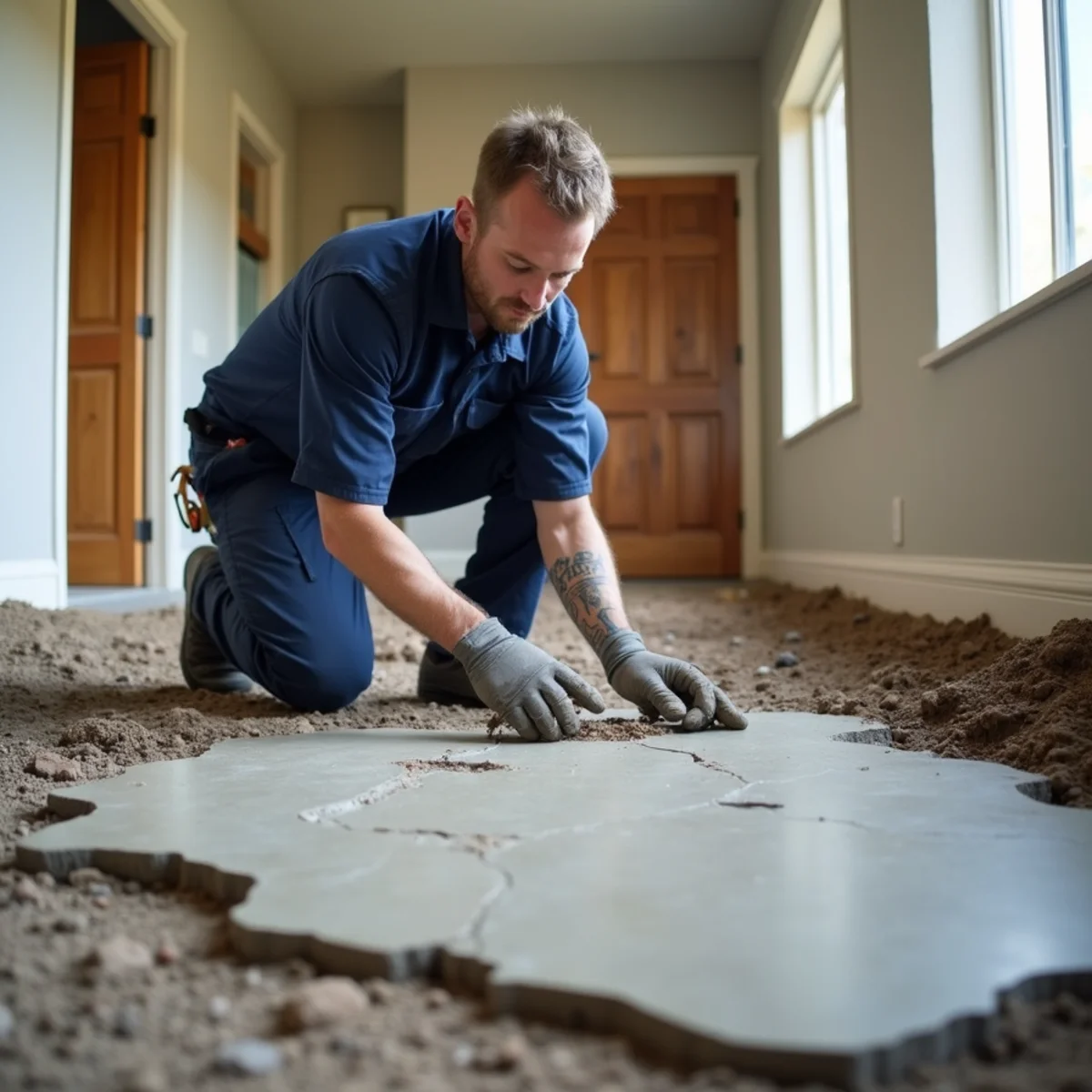
In a historic Littleton or Englewood home, a thoughtful repipe balances thoroughness with respect for the house. The work involves running new supply lines, tying them into fixtures, and opening limited sections of wall or ceiling for access, which are then patched. Experienced crews plan the routing to keep those openings as small and inconspicuous as possible.
Most repipes are completed in a matter of days, and reputable plumbers keep the water on as much as possible during the process. If you have been living with slowly declining pressure or rusty water, addressing it proactively, on your schedule, is far preferable to an emergency call after a pipe finally lets go. We are glad to inspect your system and give you a clear picture of where it stands.
What drives the cost of a repipe
Homeowners always want a number, and the honest answer is that a repipe's cost swings widely with the house. Square footage and the number of bathrooms set the baseline, since every fixture needs a new run. A two-story home is more involved than a ranch because walls and ceilings have to be opened on multiple levels, and finished basements or old plaster walls add drywall repair that a plumber often coordinates as a separate line.
Material choice and access fill in the rest. PEX generally installs faster and costs less than copper, though some homeowners still prefer copper for its long track record. Easy access through an unfinished basement keeps labor down, while cramped crawlspaces and slab routing push it up. Getting a written, itemized estimate, and asking exactly what wall and finish repair is or is not included, is the only way to compare bids fairly.
- Home size and the number of fixtures and bathrooms
- One story versus multiple levels needing access openings
- PEX versus copper for the new supply lines
- Ease of access: open basement versus tight crawlspace or slab runs
- Drywall and finish repair, and whether it is included in the bid
Permits, licensing, and why a repipe isn't a DIY job
A whole-home repipe is not the place to save money with a handyman or a weekend of your own labor. Plumbing work in Colorado must be performed by a licensed plumber, and the state regulates the trade through the Department of Regulatory Agencies. A repipe of any real scope generally requires a permit and an inspection, which exist to confirm the work meets code and will not quietly fail behind your new drywall a few years on.
That oversight protects you. An unpermitted repipe can resurface as a problem when you sell, and shoddy connections hidden inside a wall are expensive to chase down later. A licensed plumber pulls the permit, sizes the lines correctly, and stands behind the work. Ask any contractor for their license, confirm they handle the permit, and make sure the inspection is part of the plan before anyone opens a wall.