If your water heater died sooner than you expected, hard water is the usual suspect. Across the Denver metro, the water that reaches your tap carries a heavy load of dissolved calcium and magnesium. That mineral content is what plumbers mean by hard water, and while it is not a health concern, it is quietly brutal on the appliances that heat and move it.
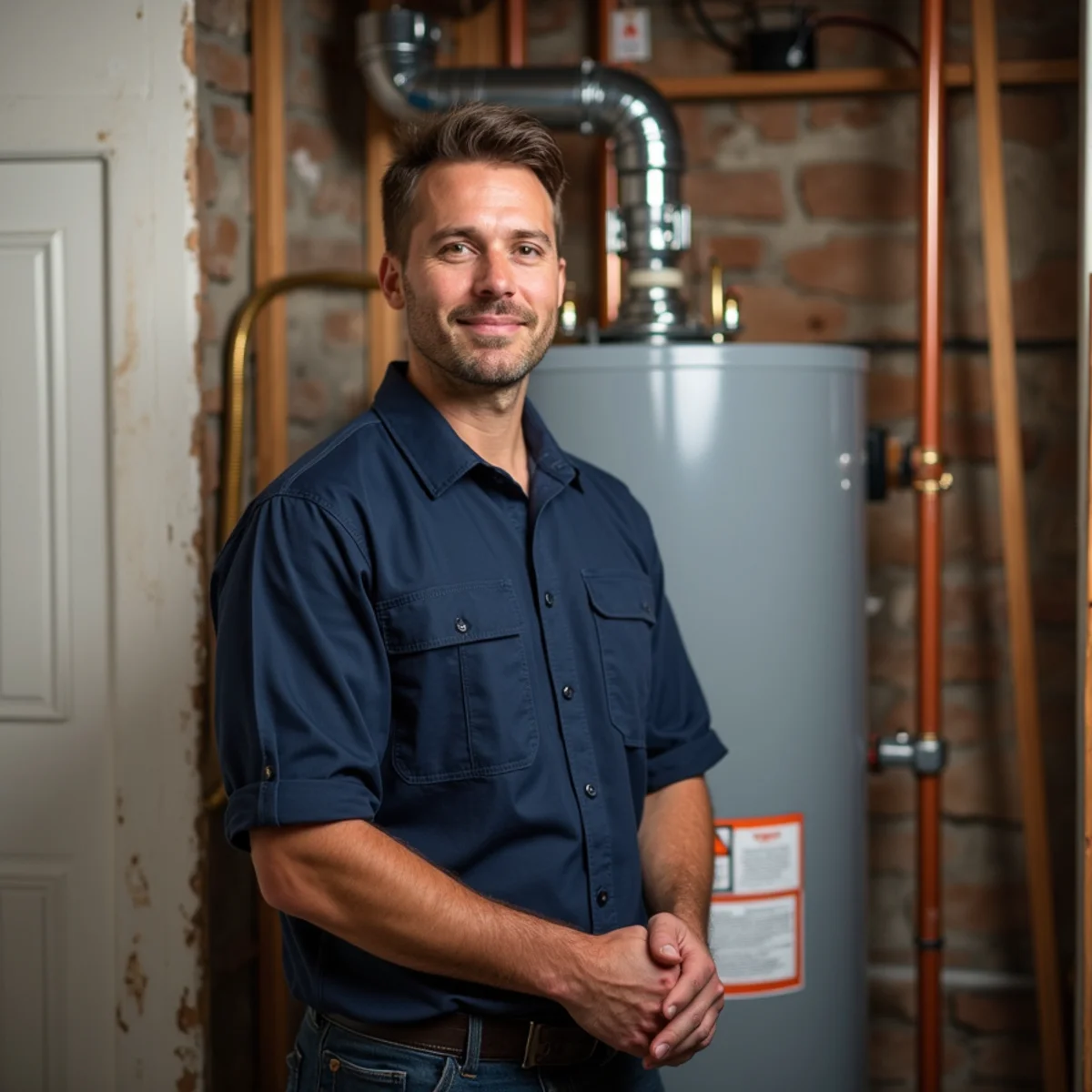
A storage water heater is one of the first casualties. The same minerals that leave spots on your dishes settle to the bottom of your tank, bake onto the heating elements, and force the unit to work harder for less hot water. Understanding that process helps you spot trouble early and stretch years of extra life out of your investment.
How hard water actually damages a water heater
When hard water is heated, the dissolved minerals fall out of solution and form a chalky scale. In a tank-style heater, that scale drifts to the bottom and builds into a hardened layer of sediment. In a tankless unit, it coats the narrow heat-exchanger passages the water flows through. Either way, mineral scale acts like an insulating blanket between the burner or element and the water it is supposed to heat.
That insulation is the root of most hard-water heater problems. The burner has to run longer to push heat through the scale, which raises your energy bill and overheats the steel below the sediment. On gas models you may hear popping or rumbling as trapped water boils under the sediment layer. On electric models the lower element can become buried, burn out, and fail early.
- Sediment insulates the tank bottom, forcing longer, hotter burn cycles
- Overheated steel corrodes faster and can crack the glass lining
- Scale buries electric elements and shortens their lifespan
- Tankless heat exchangers lose efficiency as passages narrow
How much life you are actually losing
A conventional tank water heater is generally expected to last somewhere in the range of eight to twelve years. Those are estimates, not guarantees, and hard water pushes real-world results toward the short end. A tank that is never flushed in a mineral-heavy area can develop enough sediment to lose usable capacity and efficiency well before that window closes.
The pattern we see in homes around Littleton and neighboring Aurora is consistent: heaters that were flushed regularly reach or exceed the top of their expected range, while neglected units in the same neighborhoods start showing rust-colored water, weak recovery, and noise years earlier. The water quality is similar; the maintenance history is what differs.
Warning signs your heater is scaling up
Hard-water damage builds gradually, so the early signs are easy to write off. Paying attention to them gives you a chance to act before the tank fails outright and leaks across your floor.
- Popping, rumbling, or crackling sounds during heating cycles
- Hot water runs out faster than it used to
- Longer wait for the water to reheat after heavy use
- Rusty or cloudy hot water, or visible flakes at the faucet
- Higher energy bills without any change in your habits
The single most valuable maintenance step: flushing
The most effective thing you can do for a tank heater in a hard-water area is flush it on a schedule, roughly once a year. Flushing drains the loose sediment out of the bottom of the tank before it hardens into a permanent layer. It is a straightforward job that removes the biggest driver of premature failure.
If you are comfortable working around your heater you can flush it yourself: shut off the power or gas, close the cold-water supply, connect a hose to the drain valve, and let the tank empty into a safe drain while briefly opening the cold supply to stir up sediment. If you would rather not, this is an inexpensive service call and a good time to have the unit inspected.
Check the anode rod before it is too late
Every tank heater has a sacrificial anode rod, a metal rod that corrodes on purpose so the steel tank does not. In hard and mineral-rich water the anode can be consumed faster, and once it is gone the tank itself begins to rust from the inside. Checking the anode every few years and replacing it when it is worn down is one of the cheapest ways to add years to a heater.
Because the anode is buried inside the tank, most homeowners never think about it until the heater is already leaking, at which point replacement is the only option. Building an anode check into your maintenance routine, or asking your plumber to inspect it during an annual flush, keeps you ahead of that failure.
Bigger-picture fixes: softening and tankless choices
If hard water is aggressively scaling your fixtures and appliances, a whole-home water softener addresses the source rather than the symptom. Softened water dramatically reduces the scale that reaches your heater, faucets, and dishwasher, which is why many homeowners in the Denver suburbs eventually add one.
Tankless water heaters are efficient and space-saving, but they are not immune to hard water. Their narrow heat exchangers are actually more sensitive to scale, so in mineral-heavy areas they need periodic descaling to stay efficient. Whether you stay with a tank or move to tankless, water treatment and regular maintenance are what protect the investment.
Repair, replace, or treat the water: making the call
When a scaled heater starts acting up, three paths open, and the right one depends on the tank's age and condition. A unit still under warranty with a single burned-out element is usually worth repairing. One past eight years with rusty water and a corroded base is telling you replacement is close. And if scale keeps returning within months of a flush, the water itself is the real culprit, which means treatment belongs in the conversation before you spend on the heater at all.
Think in total cost rather than today's repair. A replacement heater in the Denver metro is a meaningful outlay, and estimates swing with tank size, fuel type, and whether venting or gas connections need updating. Spending that money without addressing hard water often means scaling the new tank on the same timeline as the old one. Pairing a replacement with a softener frequently costs less over a decade than replacing untreated heaters back to back.
Mistakes homeowners make when flushing a scaled tank
Flushing is simple in theory, but a few missteps turn routine maintenance into a service call. The most common is waiting years, then trying to flush a tank so heavily sedimented that the drain valve clogs solid the moment it opens. Hardened scale does not rinse out the way loose sediment does, and forcing it can leave you with a jammed valve and a tank that will not drain, which is a worse position than the one you started in.
Skipping steps causes the rest of the trouble. Draining a tank with the power still on can burn out an electric element left high and dry. A brittle plastic drain valve that will not reseal afterward becomes a slow drip you did not have before. When a heater has gone unflushed for years, a professional flush protects the unit and gives you an honest read on whether it is still worth keeping.
- Letting years pass so scale hardens and clogs the drain valve
- Flushing an electric heater without cutting power to the elements first
- Closing up before the water runs clear, leaving sediment behind
- Reusing a brittle plastic drain valve that then drips
- Skipping the anode check while the tank is already drained