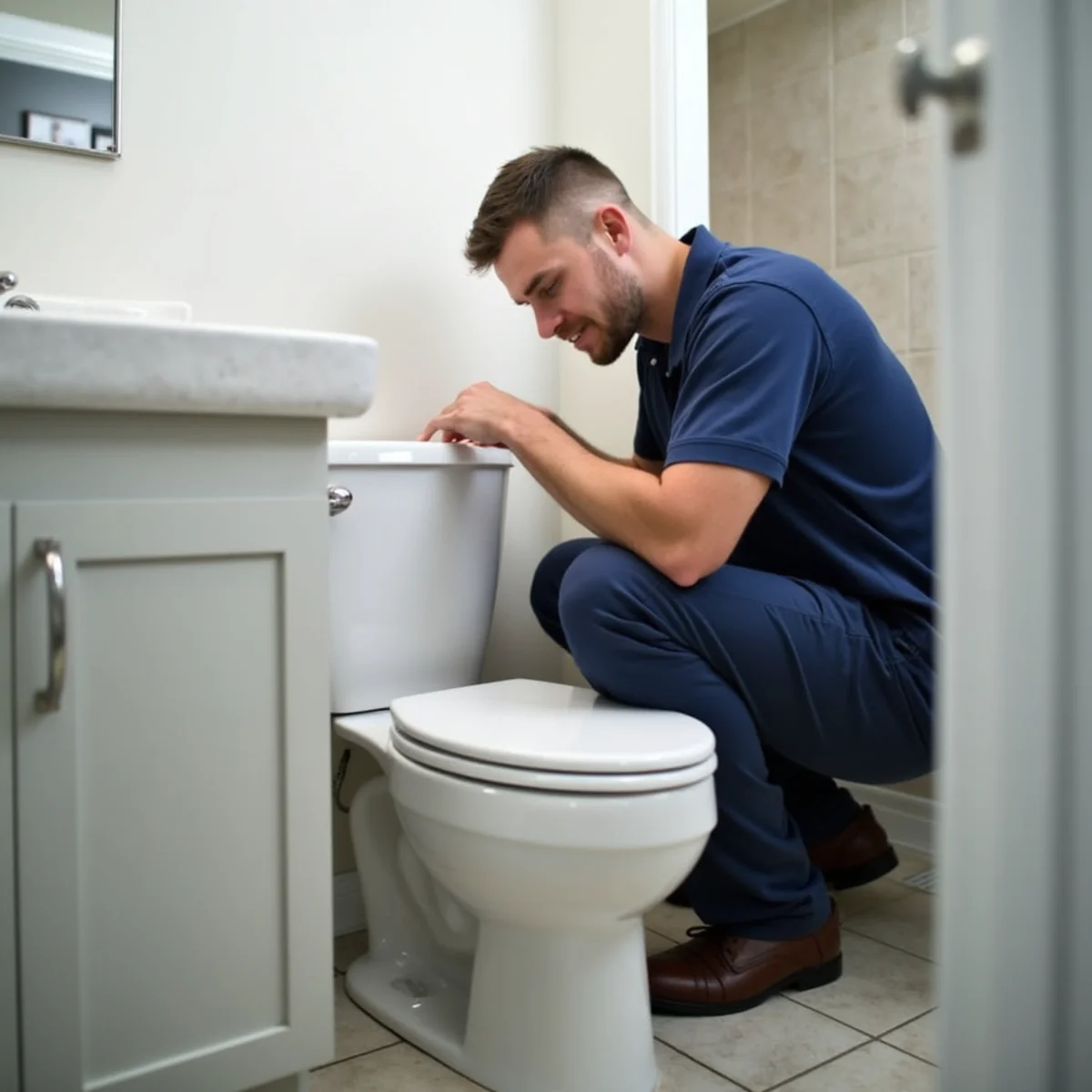
A clogged toilet always seems to happen at the worst time, and while the occasional clog is unavoidable, most are the predictable result of a few bad habits. The good news is that preventing them costs nothing and takes almost no effort once you know the rules.
Below are five practical ways to keep your toilet flushing cleanly. None of them require tools or plumbing knowledge, and together they eliminate the vast majority of the clogs we get called out for in homes around Littleton and Southglenn.
1. Flush only the two things that belong
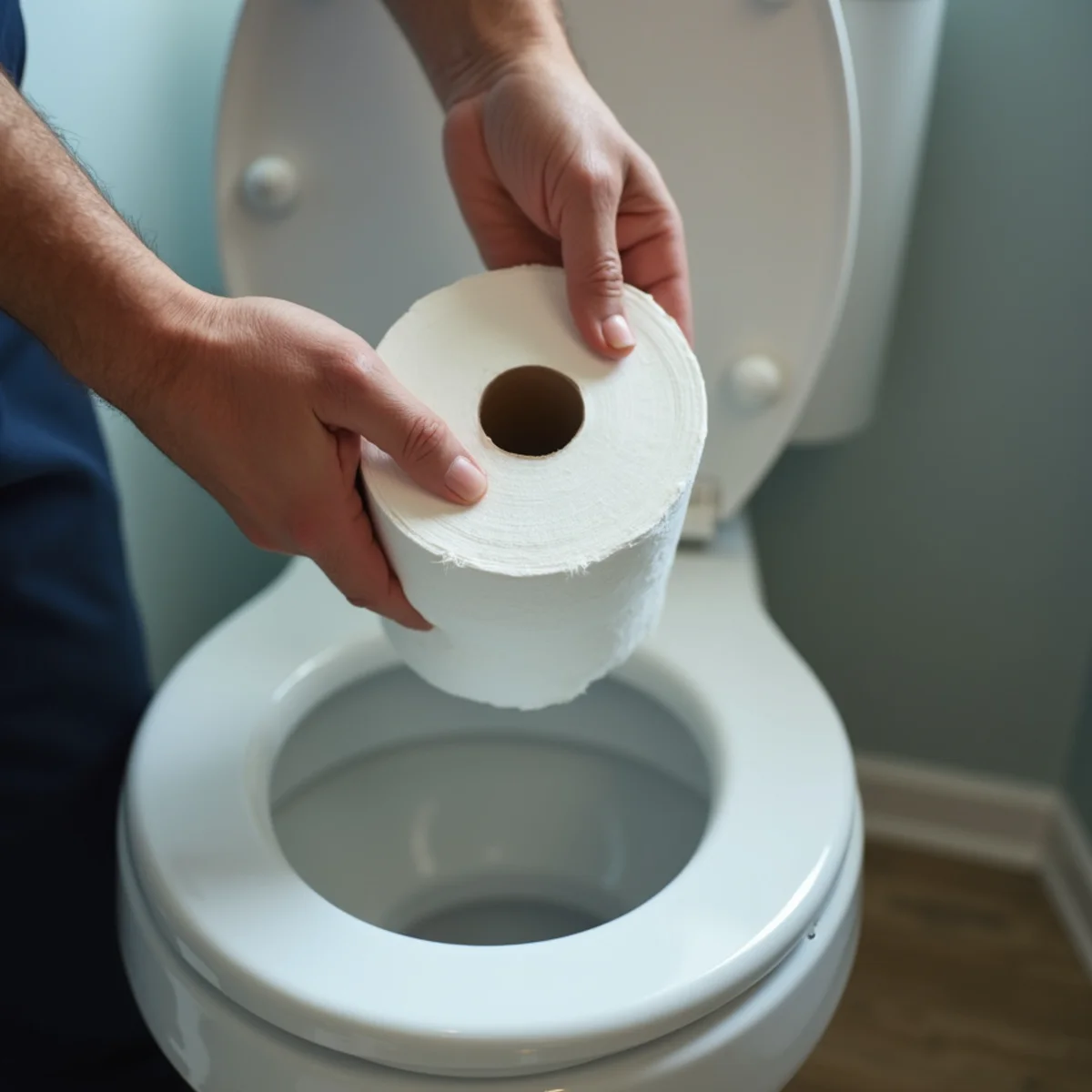
The most important rule is also the simplest: a toilet is designed to handle human waste and toilet paper, and nothing else. Toilet paper is made to break apart quickly in water. Almost everything else people flush is not, and that is where clogs and deeper drain problems begin.
The biggest offender by far is the so-called flushable wipe. Despite the label, these wipes do not break down like toilet paper and are a leading cause of clogs and sewer-line blockages. Keep a small wastebasket in the bathroom so there is an easy alternative.
- Never flush wipes, even ones labeled flushable
- Keep out paper towels, tissues, and cotton products
- Do not flush dental floss, hair, or Q-tips
- Keep medications, grease, and cat litter out of the bowl
2. Go easy on the toilet paper
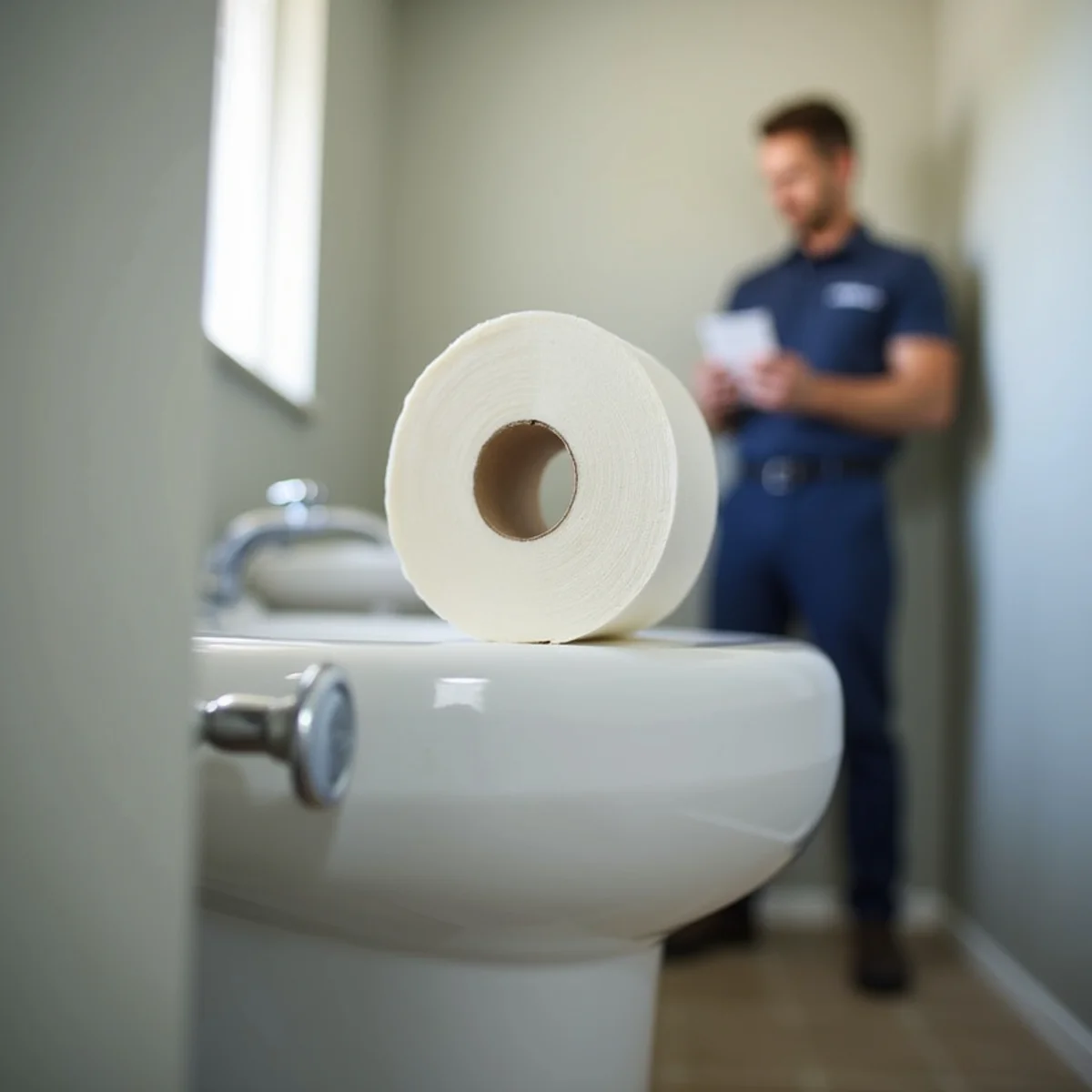
Even the right material can cause a clog in the wrong amount. A large wad of toilet paper flushed all at once can overwhelm the trap, particularly in low-flow toilets that use less water per flush. The fix is simple: use a reasonable amount, and for a big job, flush twice rather than trying to send everything down in one go.
This matters more with modern high-efficiency toilets, which are designed around less water. They work well when used as intended, but they are less forgiving of a giant paper load than the old water-guzzling models were.
3. Teach kids what the toilet is for
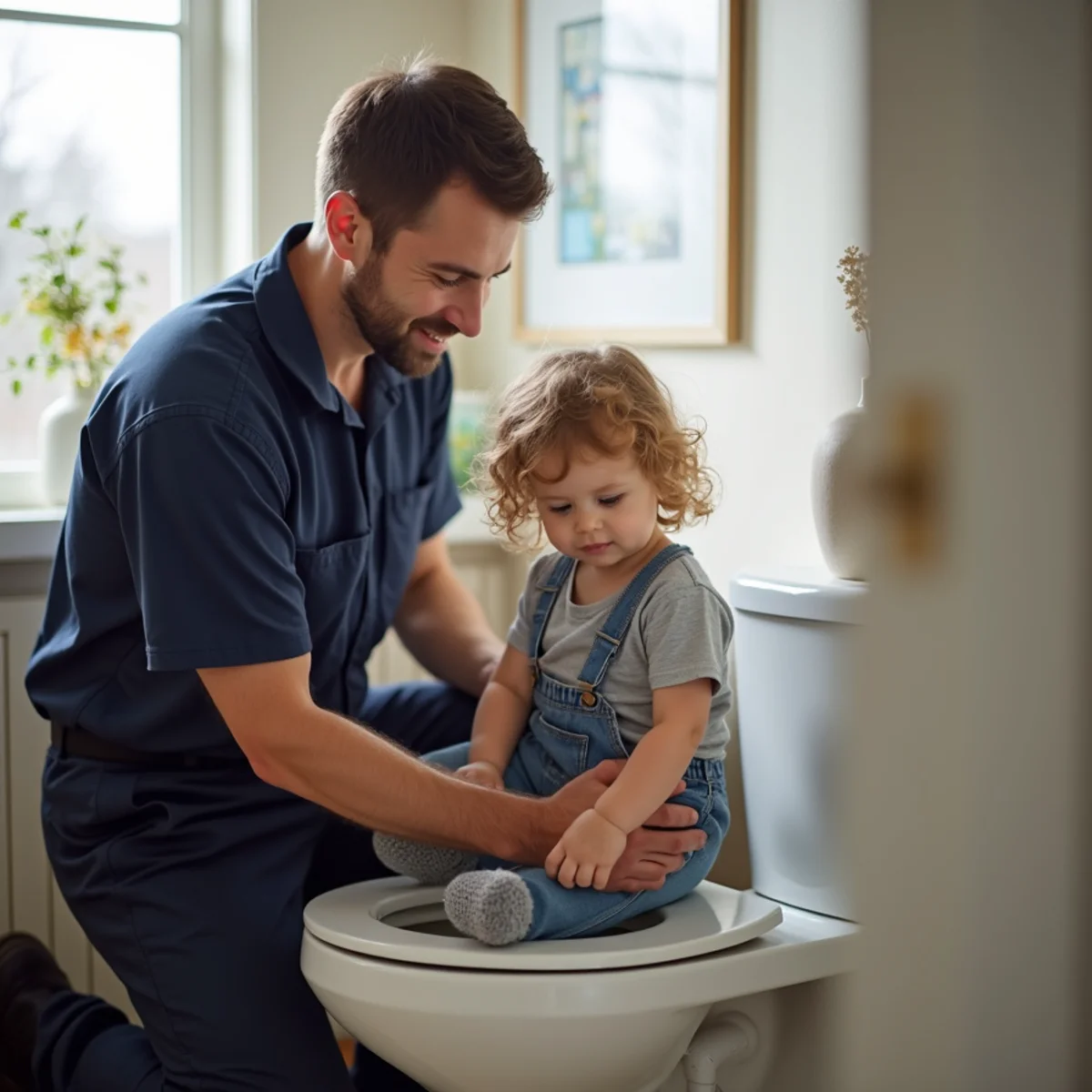
If you have young children, the toilet is an endless source of fascination, and toys, wads of paper, and small objects have a way of disappearing down it. A toy lodged in the trap is one of the more common and stubborn clogs, and it often requires removing the toilet to retrieve.
A little supervision and a clear, simple rule prevent most of these incidents. Teaching kids early that only toilet paper and waste go in the toilet saves you from a surprise blockage and a potentially expensive extraction later.
4. Keep the tank and flush strong
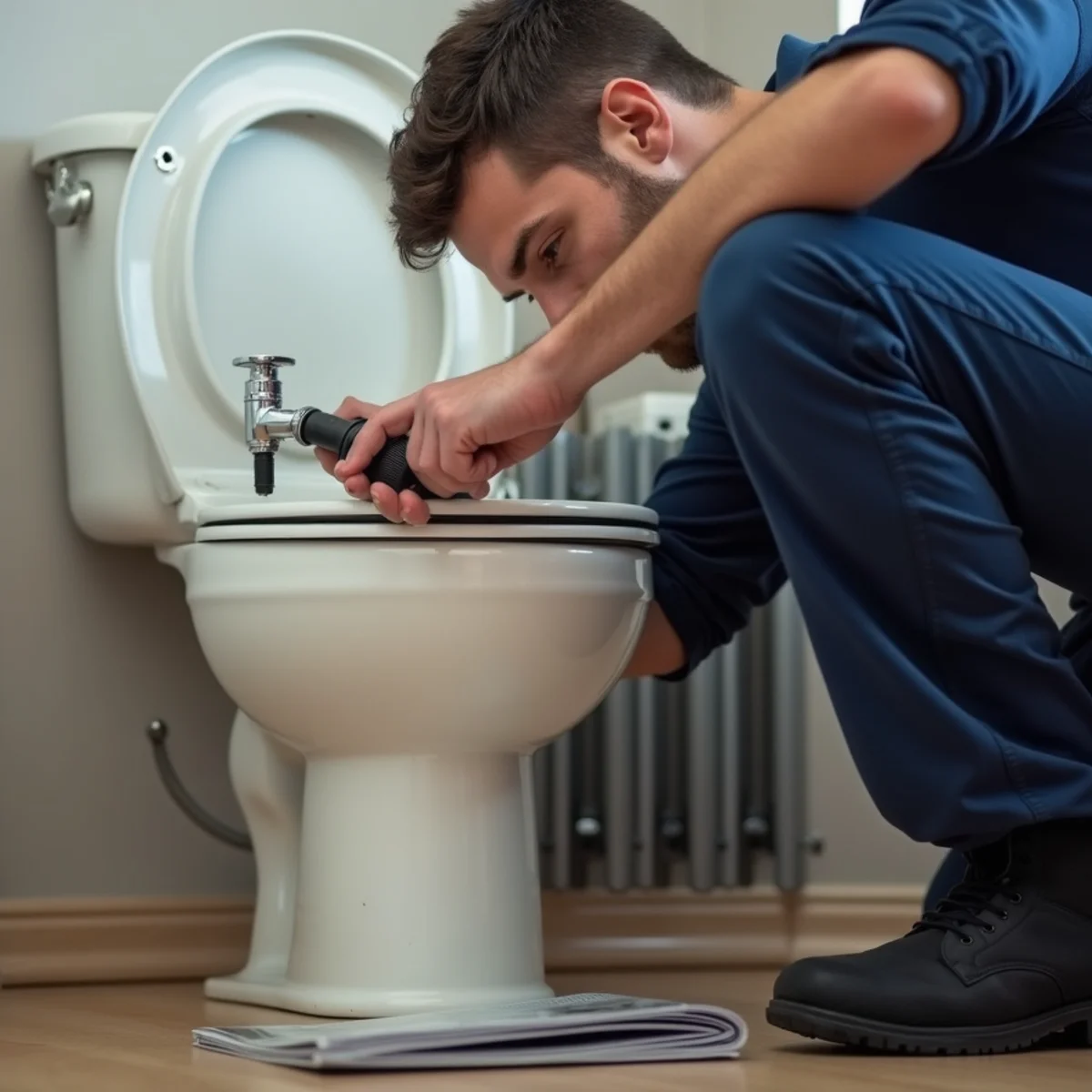
A weak flush is a clog waiting to happen, because it lacks the water volume and force to carry waste fully through the trap and down the drain. If your toilet's flush has become sluggish, the cause is often inside the tank, and it is usually an easy fix.
Check that the flapper opens fully and stays open long enough, and that the water level in the tank reaches the marked fill line. Mineral buildup can also clog the small rinse holes under the rim, weakening the swirl. A periodic cleaning of those holes keeps the flush at full strength.
- Confirm the tank fills to the proper water line
- Make sure the flapper opens fully for a complete flush
- Clear mineral buildup from the rim jets for a strong swirl
5. Address slow flushing early
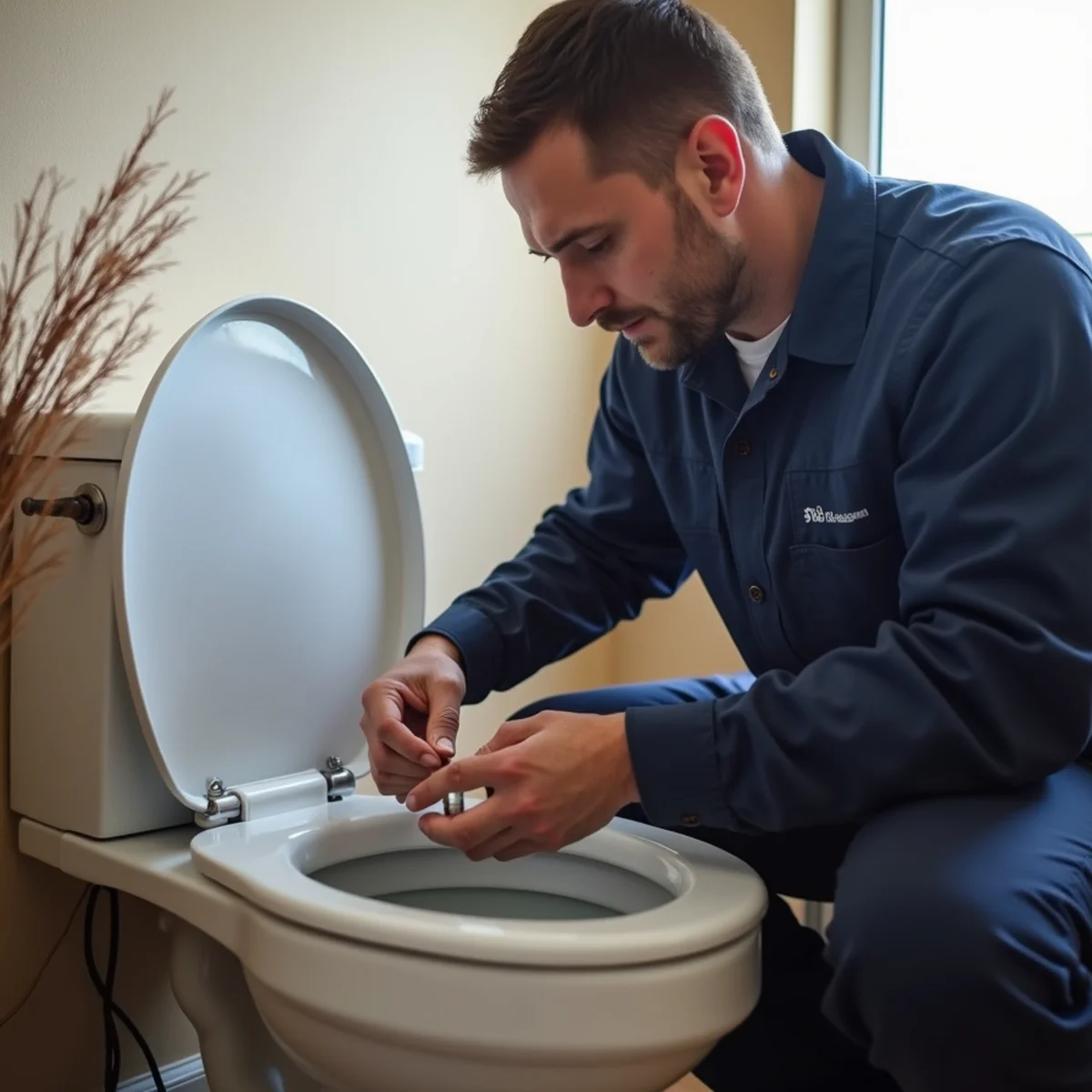
A toilet rarely goes from perfect to fully blocked without warning. Usually there is a period where it flushes slowly, gurgles, or needs a second flush. Those are early signs of a partial blockage, and they are your cue to act before it becomes a full clog at an inconvenient moment.
A basic flange plunger, the kind with an extended rubber flange that seals the drain, clears most minor blockages when used with a firm seal and steady pumping. If a plunger does not resolve it, avoid chemical drain cleaners in the toilet; they can damage the bowl and rarely help. If slow flushing keeps returning, or several fixtures drain slowly at once, the problem may be deeper in the line and worth a professional look.
When prevention is not enough
Even with good habits, clogs happen, and a recurring one usually signals something beyond a single blockage. Repeated clogs, gurgling from other drains when you flush, or water backing up elsewhere can point to a partial blockage further down the drain line or in the sewer, sometimes from tree roots or an older pipe.
If you are plunging the same toilet week after week, the smarter move is to have the drain inspected rather than fighting the symptom. A camera run down the line shows exactly what is happening, whether it is roots, a belly in the pipe, or an old blockage, so the fix addresses the real cause instead of buying a few clog-free days at a time.
It is also worth remembering that an aging or poorly performing toilet can be part of the problem. Older high-volume models and early low-flow designs sometimes lack the flush power to clear the trap reliably, and a modern WaterSense toilet at 1.28 gallons per flush can actually clog less while using far less water. For persistent clogs or a toilet that needs replacing, our team is a call away and serves homes throughout the Littleton and Southglenn area.
The right way to clear a clog when one happens
Even careful households face the occasional clog, and how you respond decides whether it stays a two-minute fix. Reach for a flange plunger, not the flat cup style meant for sinks; the extended rubber flange seats into the bowl's drain and delivers real force. Before the first plunge, make sure there is enough water in the bowl to cover the plunger head, because you are pushing water against the blockage, not air, and water is what actually moves the clog.
Technique beats brute force. Seat the flange, push down gently to expel trapped air, then pump firmly a dozen times while keeping the seal, and pull sharply on the last stroke. If steady plunging fails, a toilet auger reaches past the trap without scratching the porcelain. Skip chemical drain cleaners entirely; they rarely clear a toilet and can crack the bowl or damage the line while you wait for nothing to happen.
- Use a flange plunger, not a flat sink cup, for a real seal
- Keep enough water in the bowl to submerge the plunger head
- Push gently to expel air first, then pump firmly without breaking the seal
- Reach for a toilet auger when plunging alone won't do it
- Never pour chemical drain cleaner into a clogged toilet
Hard water and your toilet: the slow clog nobody notices
In the Denver suburbs, hard water works on your toilet as steadily as it does on the rest of your plumbing. Mineral scale builds inside the small rim jets that direct water around the bowl, and as those openings narrow, the flush loses the swirling force that carries waste through the trap. A toilet that has slowly grown lazy over a few years is often scaled up, not broken, and no amount of good habits will restore a flush the minerals have choked.
The buildup reaches the working parts too. Scale on the flapper and around the fill valve keeps them from sealing, causing the tank to run or refill weakly. Periodically clearing the rim jets with a thin wire and a little vinegar, and checking the tank components for crusty deposits, brings back a full flush. In hard-water homes this is ordinary upkeep, not a repair, and it heads off the marginal flushes that let clogs get started.